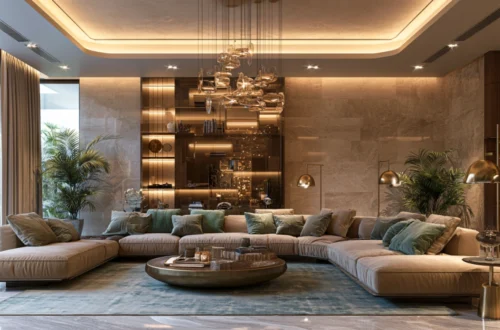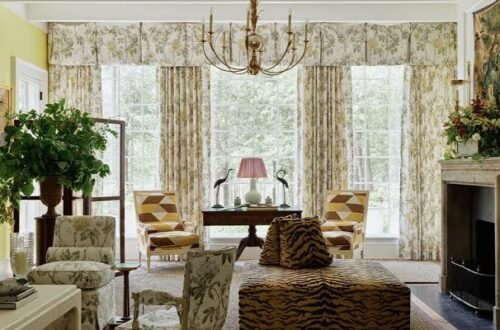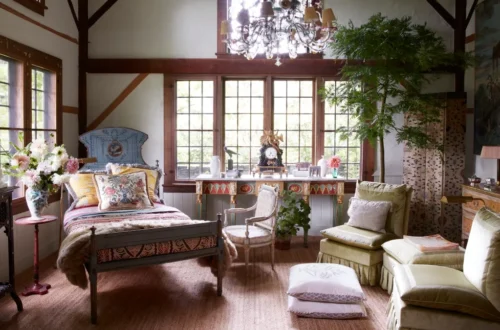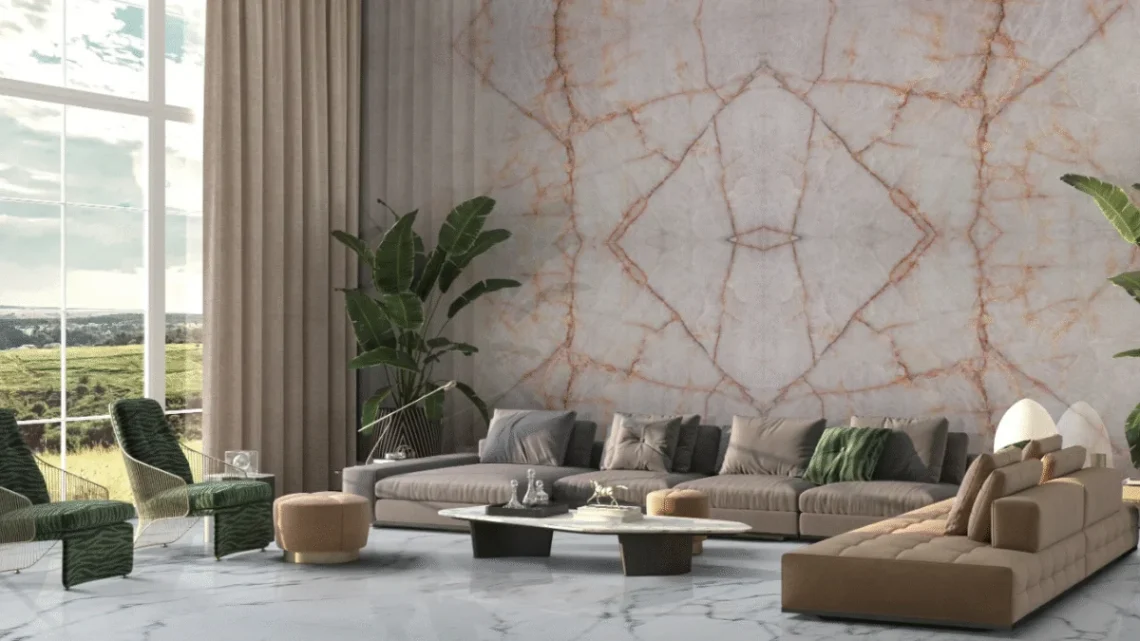
A beautiful home does not need to be filled with expensive furniture, decorative accessories, or countless design elements. Sometimes, the simplest spaces are the most comfortable and attractive. A clean room, thoughtfully arranged furniture, natural light, and a few carefully selected decorative pieces can make a home feel peaceful and welcoming.
This is the idea behind minimalist home décor. It focuses on keeping things simple, functional, and visually balanced without sacrificing comfort or personal style.
In 2026, minimalist interiors continue to attract homeowners who want more organised, practical, and relaxing living spaces. From neutral colour palettes and multifunctional furniture to natural materials and smart storage solutions, there are many ways to bring minimalism into your home.
Whether you live in a small apartment or a spacious house, minimalist decorating can help you make better use of your space while creating an environment that feels calm and inviting.
What Is Minimalist Home Décor?
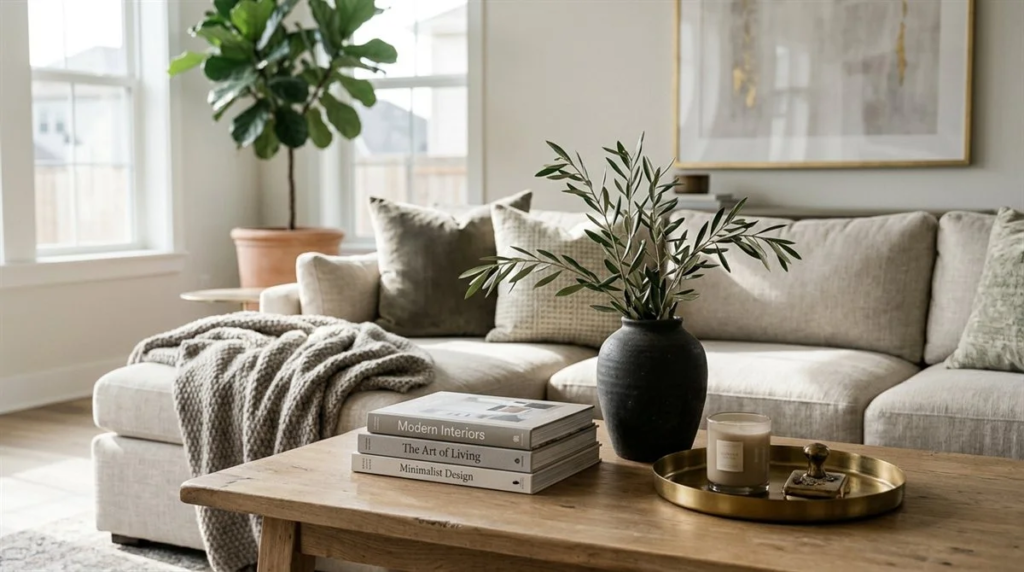
Minimalist home décor is an interior design approach that focuses on simplicity, functionality, and thoughtful use of space. Instead of filling rooms with unnecessary objects, it encourages people to keep items that serve a purpose or add genuine value to their surroundings.
The style usually features clean lines, simple furniture, neutral colours, open spaces, and limited decorative accessories.
However, minimalism does not mean making your home look empty or removing everything you enjoy. It is about creating a balance between practical needs and visual appeal.
For example, a living room with a comfortable sofa, a wooden coffee table, a soft rug, and one beautiful artwork can feel more inviting than a room filled with furniture and decorations.
Choose a Simple and Neutral Colour Palette
Colour is one of the most important elements of minimalist interior design. Neutral shades create a clean foundation and help different elements of a room work together.
Popular colours for minimalist homes include:
- White: Creates a fresh and open appearance.
- Beige: Adds warmth without making the room look busy.
- Cream: Offers a softer alternative to pure white.
- Light Grey: Creates a modern and balanced atmosphere.
- Warm Brown: Adds depth and complements wooden furniture.
- Soft Green: Introduces a subtle connection with nature.
You do not have to use only one colour. Combining two or three complementary shades can create an attractive and balanced interior.
For example, cream walls, beige curtains, and light wooden furniture can make a living room feel warm and welcoming. You can also introduce small colour accents through cushions, artwork, or indoor plants.
Declutter Your Living Space
Decluttering is one of the foundations of minimalist home décor. Over time, it is easy to collect things that are no longer useful, including old decorations, unused furniture, extra kitchen items, and clothes that remain untouched for months.
Removing unnecessary belongings can make rooms feel more spacious and easier to maintain.
Here are some practical decluttering tips:
- Start with one room instead of organising the entire house at once.
- Remove items you no longer use or need.
- Keep frequently used belongings within easy reach.
- Donate items that are still in good condition.
- Use storage boxes for smaller everyday objects.
- Avoid buying decorative accessories simply to fill empty spaces.
A useful approach is to organise your belongings by category. Start with clothes, then move to books, kitchen items, paperwork, and decorative accessories.
Remember, the goal is not to own as little as possible. It is to make sure your belongings have a place and a purpose.
Invest in Functional and Simple Furniture
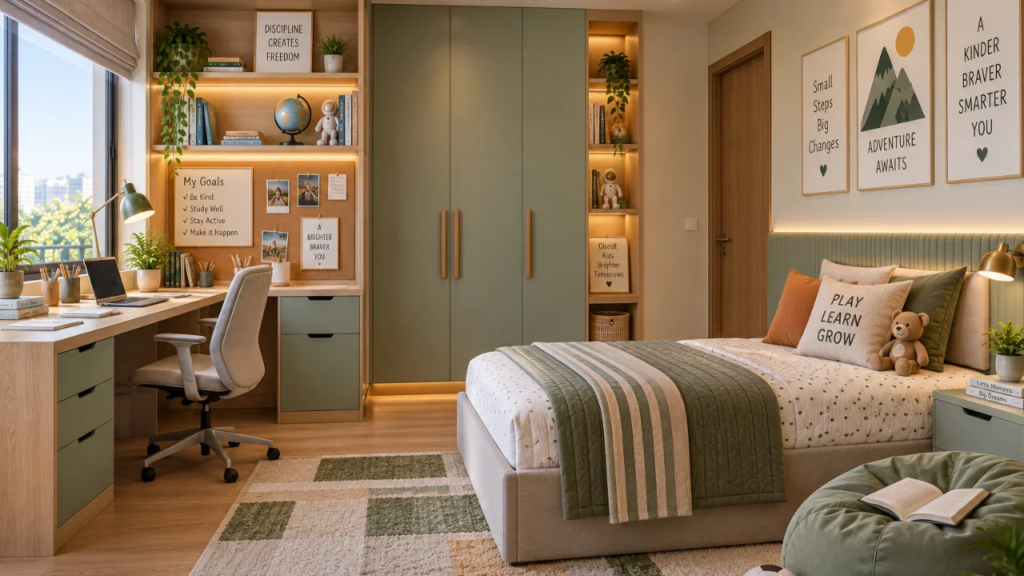
Furniture plays a major role in how a minimalist home looks and functions. Instead of choosing bulky or overly decorative pieces, look for furniture with clean shapes, practical features, and comfortable designs.
Some useful furniture choices include:
- Simple wooden coffee tables.
- Sofas with clean lines.
- Beds with built-in storage.
- Compact dining tables.
- Wall-mounted shelves.
- Minimalist bedside tables.
- Multifunctional furniture for smaller rooms.
For compact homes, multifunctional furniture can be especially useful. A sofa bed, foldable dining table, or storage ottoman can help save space while serving more than one purpose.
Before purchasing furniture, measure your room and consider how people will move around it. A beautiful piece is not a good choice if it makes the room difficult to use.
Make the Most of Natural Light
Natural light can make even a simple room feel brighter and more inviting. Minimalist interiors often use daylight to create an open and airy atmosphere.
You can improve natural lighting in your home with a few simple changes:
- Use lightweight curtains instead of heavy window coverings.
- Keep windows clean and unobstructed.
- Place mirrors where they can reflect available daylight.
- Avoid positioning large furniture directly in front of windows.
- Choose lighter colours for walls and larger furniture pieces.
If a room receives limited sunlight, use layered artificial lighting to maintain a comfortable atmosphere.
Table lamps, floor lamps, wall lights, and ceiling fixtures can provide different levels of illumination without making the room feel crowded.
Bring Nature Indoors with Plants
Minimalist homes do not need to feel plain. Indoor plants are an easy way to introduce natural colour and texture without adding unnecessary clutter.
A few carefully placed plants can make a room feel more lively and connected to nature.
Some suitable indoor plant options include:
- Snake plants.
- Money plants.
- Pothos.
- Spider plants.
- Peace lilies.
- Areca palms.
Choose plants according to the lighting and space available in your home. A small plant on a shelf or bedside table may be enough for a compact room, while a larger plant can create an attractive focal point in a spacious living area.
Simple ceramic, terracotta, or neutral-coloured planters can complement minimalist interiors.
Use Natural Materials and Soft Textures
Minimalist design does not have to look cold or overly simple. Natural materials and comfortable textures can make a room feel warmer and more personal.
Some materials that work beautifully in minimalist homes include:
- Light or natural wood.
- Cotton and linen.
- Jute and woven fibres.
- Stone and ceramic.
- Bamboo.
- Wool and knitted fabrics.
For example, a neutral sofa can look more inviting with a textured cushion and a soft throw blanket. A wooden dining table can add warmth to a room with white walls.
The key is to combine different textures without introducing too many competing patterns or colours.
Create a Clutter-Free Living Room
The living room is often the busiest space in a home. It may be used for relaxing, watching television, entertaining guests, or spending time with family.
A minimalist living room should feel comfortable while keeping the layout simple and organised.
Try these decorating ideas:
- Choose a sofa that fits the available space.
- Use a simple coffee table with useful storage.
- Keep decorative accessories limited.
- Arrange cushions in complementary colours.
- Add one statement artwork or mirror.
- Use baskets to organise blankets and magazines.
- Keep cables and electronic accessories organised.
Avoid placing too many small decorative objects on tables and shelves. A few well-chosen pieces can create a more balanced appearance.
Design a Peaceful Minimalist Bedroom
The bedroom should be a place where you can relax comfortably. A minimalist bedroom focuses on simplicity, soft colours, practical storage, and fewer distractions.
Start with a comfortable bed and good-quality bedding. Choose neutral shades such as cream, beige, white, or muted green to create a calming atmosphere.
Other useful ideas include:
Keep Bedside Tables Simple: Store only essential items such as a lamp, book, or alarm clock.
Choose Functional Wardrobes: Use organised storage to keep clothes and accessories out of sight.
Add Soft Lighting: Bedside lamps or warm wall lights can make the room feel more relaxing.
Limit Wall Decorations: One painting, framed photograph, or simple mirror can be enough.
Avoid Unnecessary Furniture: Leave enough open space for comfortable movement.
A tidy bedroom can also make daily routines easier because frequently used belongings are easier to find.
Organise Your Kitchen with Smart Storage
A minimalist kitchen should be easy to use, clean, and organised. You do not need to hide everything, but keeping countertops reasonably clear can make food preparation more convenient.
Consider these simple ideas:
- Store everyday utensils in organised drawers.
- Use matching containers for dry ingredients.
- Keep frequently used appliances accessible.
- Store rarely used kitchen equipment in cabinets.
- Use wall-mounted racks where suitable.
- Organise pantry shelves by food category.
- Avoid overcrowding countertops with decorations.
Open shelving can also work well in minimalist kitchens when dishes, jars, and accessories are arranged neatly.
A practical kitchen is one where everything has a convenient place and everyday cooking feels straightforward.
Use Mirrors and Simple Wall Décor
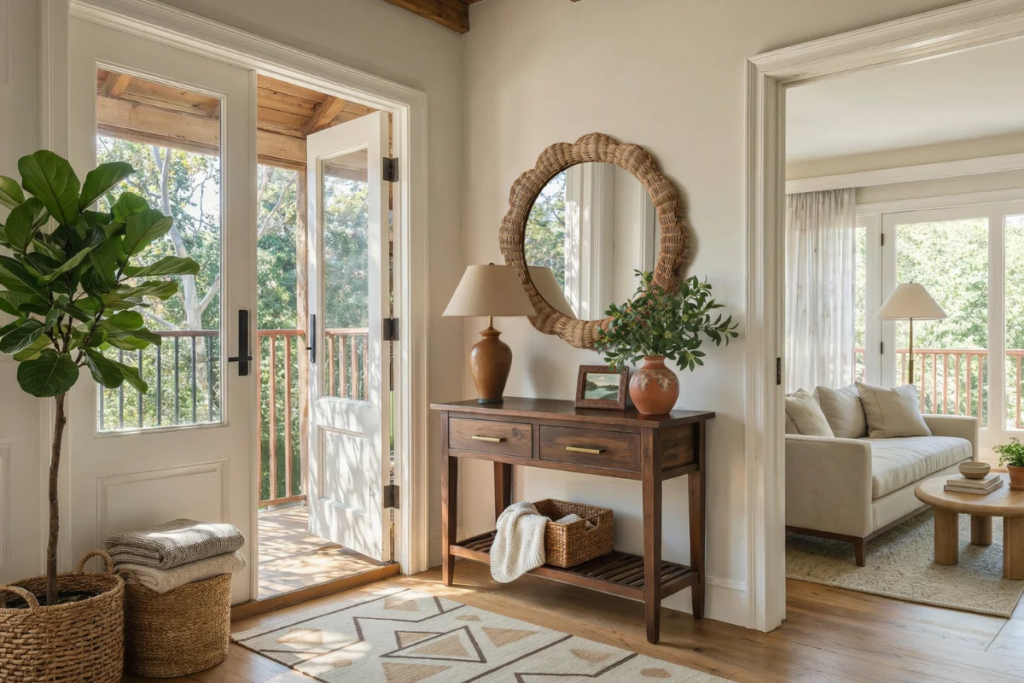
Decorative elements can add personality to a minimalist home, but the secret is choosing them carefully.
Mirrors are particularly useful because they can reflect light and create the impression of more space. A large mirror in an entryway, bedroom, or living room can also become a decorative feature.
Other simple wall décor options include:
- Abstract artwork.
- Minimalist line drawings.
- Framed photographs.
- Simple wall clocks.
- Small gallery arrangements.
- Natural-texture wall hangings.
Choose artwork that complements the room rather than competing with its other elements. Leaving some wall space empty is perfectly fine and can help create a more balanced appearance.
Explore Warm Minimalism and Japandi Style
Minimalist interiors are evolving beyond plain white rooms and basic furniture. Warm minimalism and Japandi design are popular sources of inspiration for people who want simple spaces with more personality.
Warm Minimalism
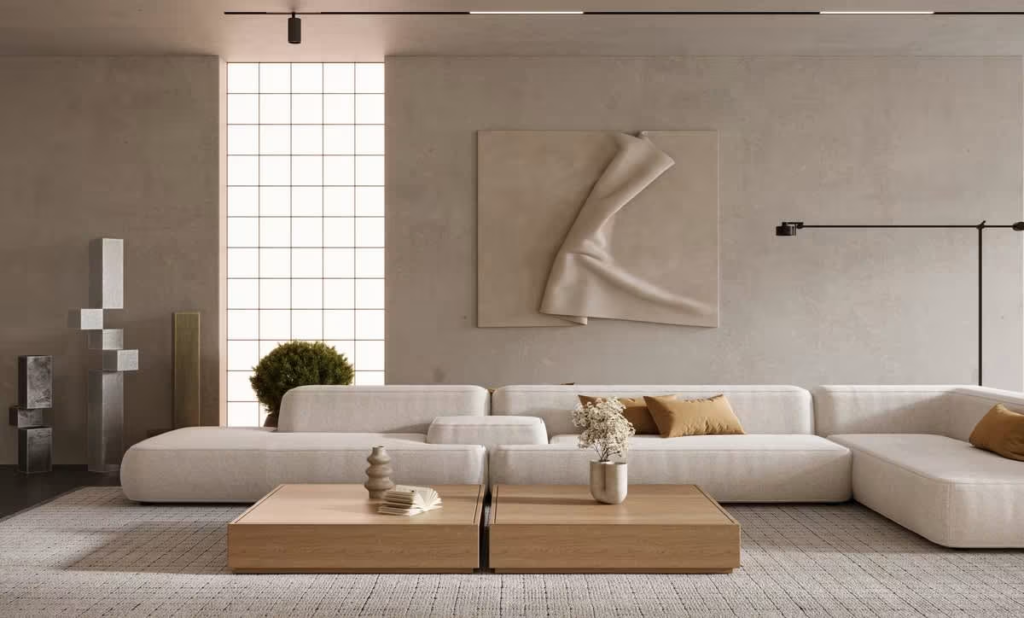
Warm minimalism combines clean layouts with comfortable textures and natural colours. It often includes wooden furniture, soft fabrics, earthy shades, and subtle decorative accents.
Japandi Style
Japandi combines Japanese design principles with Scandinavian comfort. It focuses on simplicity, natural materials, functional furniture, and a peaceful atmosphere.
Common Japandi elements include:
- Low-profile wooden furniture.
- Neutral and earthy colours.
- Natural fabrics.
- Handmade ceramic accessories.
- Soft lighting.
- Simple decorative objects.
- Uncluttered layouts.
Both approaches show that a minimalist home can feel warm, stylish, and welcoming rather than empty.
Minimalist Home Décor Ideas at a Glance
| Area | Minimalist Décor Idea | Main Benefit |
|---|---|---|
| Living Room | Simple furniture and limited accessories | Creates a balanced space |
| Bedroom | Neutral bedding and organised storage | Encourages a relaxing atmosphere |
| Kitchen | Clear countertops and smart cabinets | Makes cooking more convenient |
| Bathroom | Simple storage and neutral accessories | Keeps the space organised |
| Home Office | Functional desk and cable management | Supports productivity |
| Balcony | Small plants and compact seating | Creates a peaceful corner |
| Entryway | Wall hooks and a storage bench | Reduces everyday clutter |
Budget-Friendly Minimalist Home Decorating Tips
Creating a minimalist home does not require expensive renovations or designer furniture. You can make meaningful improvements by using what you already own and making thoughtful purchases.
Here are some affordable ideas:
- Rearrange Existing Furniture: Change the layout to create more open space.
- Remove Unnecessary Decorations: Keep the pieces that you genuinely enjoy.
- Refresh Cushion Covers: Use neutral or earthy shades for a coordinated appearance.
- Organise Storage Areas: Use baskets, boxes, and drawer organisers.
- Add Affordable Plants: Introduce greenery with simple planters.
- Reuse Old Furniture: Repair, repaint, or update existing furniture instead of replacing it.
- Choose Simple Lighting: A practical table lamp or floor lamp can improve the atmosphere.
- Shop Carefully: Invest in durable pieces rather than buying items just because they are trending.
Small improvements can gradually transform your home without putting pressure on your budget.
Common Minimalist Decorating Mistakes to Avoid
While minimalist design looks simple, creating a balanced space requires some planning. Avoid these common mistakes:
- Making Every Room Completely White: Too much of one colour can make a space feel flat; introduce warm shades and textures.
- Removing Too Much Furniture: Keep essential furniture for comfort and everyday activities.
- Ignoring Storage: Without proper storage, everyday belongings can quickly create clutter.
- Choosing Style Over Comfort: Furniture should look attractive and feel comfortable.
- Buying Too Many Matching Accessories: A little variation in texture and material can make interiors more interesting.
- Following Every Trend: Choose decorating ideas that suit your home and personal preferences.
Minimalism should make everyday living easier, not create unnecessary restrictions.
FAQ’s
1. What is minimalist home décor?
Minimalist home décor focuses on simplicity, functional furniture, neutral colours, and clutter-free spaces.
2. Which colours are best for minimalist interiors?
White, beige, cream, light grey, soft green, and warm brown work beautifully in minimalist homes.
3. How can I make my home look minimalist?
Remove unnecessary items, choose simple furniture, organise storage, and use a balanced colour palette.
4. Is minimalist home décor suitable for small spaces?
Yes, multifunctional furniture, smart storage, and simple layouts make small spaces feel more open.
5. How can I decorate a minimalist home on a budget?
Rearrange existing furniture, reuse decorative items, add indoor plants, and choose affordable storage solutions.