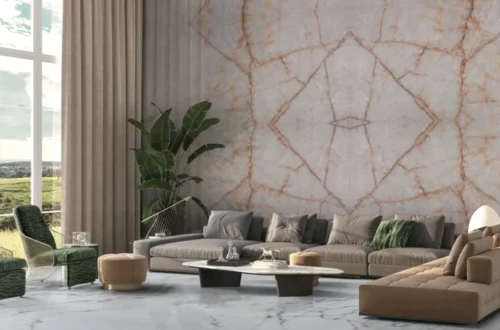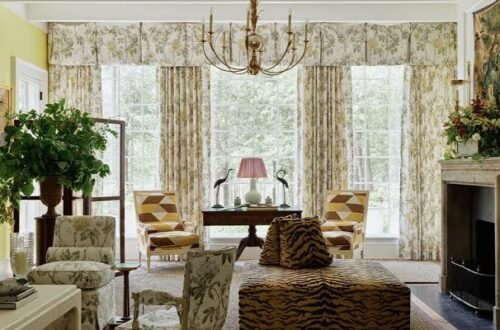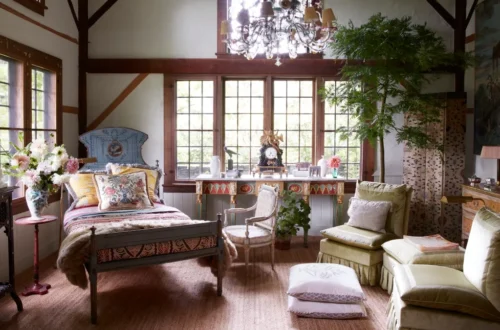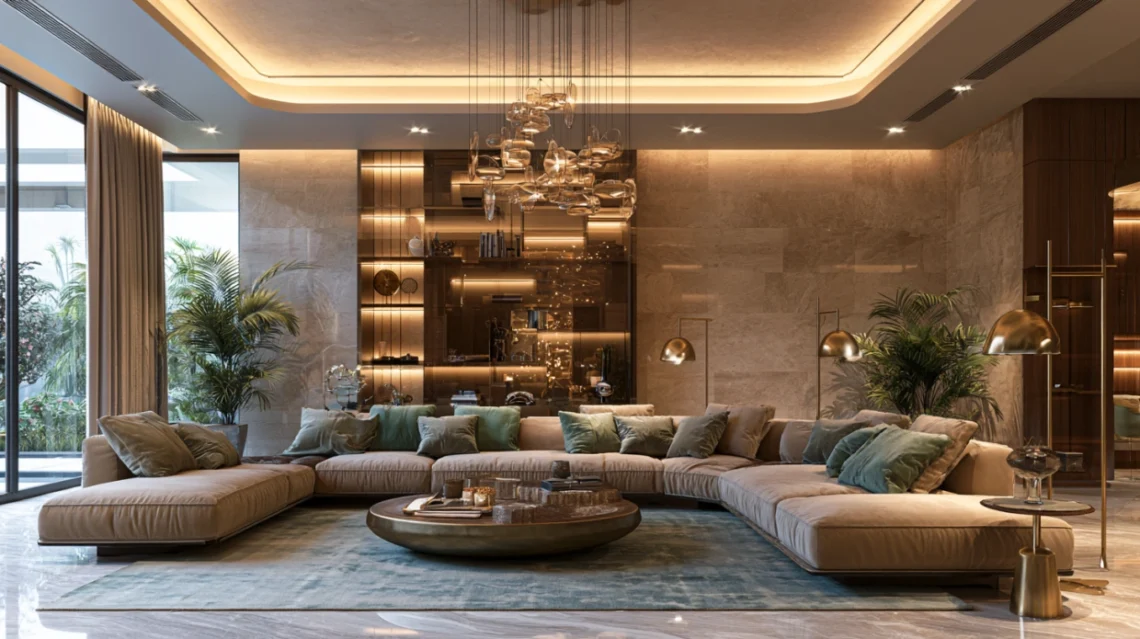
A beautiful home is not simply about expensive furniture, perfectly painted walls, or fashionable decorations. It is about creating a space where you feel comfortable, relaxed, and happy to spend your time. Whether you live in a spacious house or a compact apartment, thoughtful design choices can make your home more welcoming and practical.
In 2026, home and living trends are moving towards a more personal and comfortable approach. Instead of following one particular decorating style, homeowners are combining natural materials, warm colours, functional furniture, smart technology, and meaningful decorative pieces.
There is also a growing interest in making homes more sustainable and adaptable to everyday needs. A living room may become a workspace during the day, a bedroom may include a small reading corner, and even a balcony can turn into a peaceful place to relax.
The best part is that you do not need to renovate your entire home to enjoy these trends. Sometimes, changing the lighting, adding natural textures, rearranging furniture, or introducing a few carefully chosen accessories can make a noticeable difference.
Let’s explore the best home and living trends for 2026 and discover practical ways to bring them into your own space.
Why Are Home and Living Trends Changing in 2026?
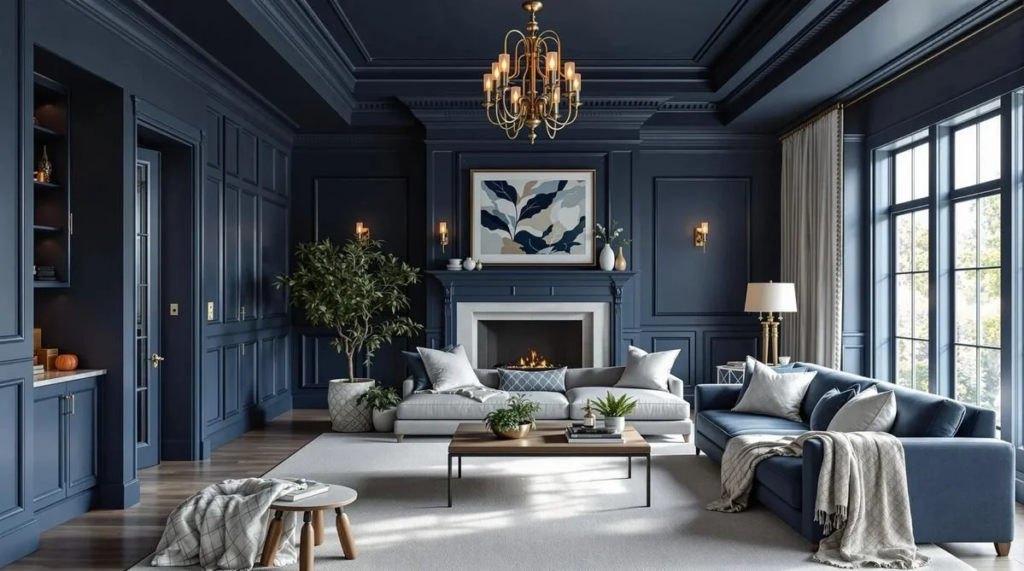
Our homes have become much more than places to eat and sleep. They are now workplaces, entertainment spaces, personal retreats, and gathering places for family and friends.
This shift is influencing the way people approach interior design. Homeowners are looking for spaces that combine beauty with everyday convenience.
Some important priorities shaping home design in 2026 include:
- Comfort: Furniture and layouts that make everyday living easier.
- Personalisation: Decorative choices that reflect individual interests and memories.
- Sustainability: Durable furniture, natural materials, and thoughtful purchasing.
- Functionality: Smart storage and flexible rooms that serve multiple purposes.
- Wellbeing: Better lighting, ventilation, natural elements, and relaxing spaces.
- Technology: Connected devices that improve convenience without making interiors feel complicated.
The overall direction is clear: modern homes should look beautiful while supporting the people who live in them.
Best Home and Living Trends in 2026
Warm and Earthy Colour Palettes
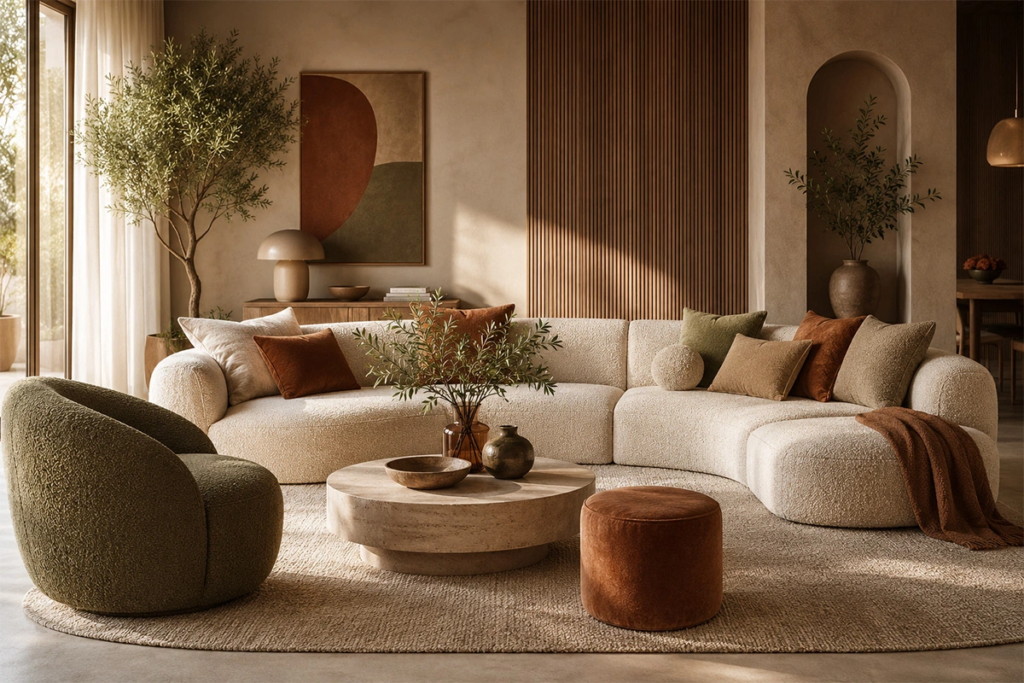
One of the most noticeable home décor directions in 2026 is the growing preference for warm, nature-inspired colours. Instead of relying entirely on cool greys and bright whites, homeowners are exploring shades that make interiors feel softer and more welcoming.
Popular colour choices include:
- Terracotta and clay.
- Sage and olive green.
- Warm beige and sand.
- Chocolate and caramel brown.
- Cream and soft ivory.
- Muted mustard and earthy orange.
These colours work well in living rooms, bedrooms, dining areas, and even kitchens.
For example, a beige living room can feel more interesting with olive cushions, a wooden coffee table, and a terracotta decorative vase. You can also introduce earthy colours through curtains, rugs, artwork, and bedding.
Practical tip: If you are not ready to repaint your walls, begin with smaller accessories. Cushion covers, table runners, lampshades, and decorative objects are easy ways to experiment with new colours.
Natural Materials and Textured Finishes
Modern interiors are increasingly embracing materials that bring warmth and character into a room. Wood, stone, linen, jute, bamboo, clay, and cane are popular choices because they introduce natural textures without making a space feel overly decorated.
These materials also work beautifully together.
For example, a wooden dining table can be paired with woven chairs, linen curtains, and ceramic tableware. In a living room, a jute rug and wooden shelves can make a simple furniture arrangement feel more inviting.
Textured walls are another interesting option. Limewash-style finishes, subtle plaster effects, and natural stone surfaces can add depth without requiring too many decorative accessories.
Practical tip: Choose two or three natural materials and repeat them across your room. This creates a balanced appearance instead of making the space feel crowded.
Curved Furniture and Soft Shapes
Furniture with rounded edges and flowing shapes is gaining attention in 2026. Curved sofas, circular coffee tables, rounded mirrors, and sculptural chairs can make interiors feel softer and more relaxed.
These shapes are especially useful when a room contains many straight lines, such as rectangular windows, cabinets, and doors.
You do not have to replace every piece of furniture to follow this trend. A round side table, an arched mirror, or a curved accent chair can introduce a softer visual element.
Curved furniture can also create a more conversational arrangement in living rooms, particularly when seating is positioned around a central coffee table.
Practical tip: Before purchasing a large curved sofa, measure your available floor space and check whether there is enough room to move comfortably around it.
Sustainable and Eco-Friendly Home Décor
Sustainability is becoming an important consideration in home design. More homeowners are thinking about how furniture and decorative products are made, how long they will last, and whether they can be repaired or reused.
Some popular sustainable home choices include:
- Furniture made from reclaimed or responsibly sourced wood.
- Bamboo and cane accessories.
- Recycled glass decorative pieces.
- Handmade pottery and ceramics.
- Natural-fibre rugs and textiles.
- Second-hand and restored furniture.
Vintage furniture is also a practical way to give a home personality. An old wooden cabinet, restored chair, or inherited decorative item can become a meaningful part of your interior.
Sustainable decorating does not mean buying everything la belled eco-friendly. It can simply mean choosing fewer, better-quality products and using what you already own.
Practical tip: Before purchasing new décor, look around your home. A fresh coat of paint, new handles, or a different arrangement may give an existing piece a completely new appearance.
Smart Home Technology for Everyday Convenience
Technology is becoming more closely connected with modern home design. Smart devices can make everyday activities more convenient while helping homeowners manage lighting, security, temperature, and entertainment.
Some useful smart home additions include:
- Smart bulbs and lighting controls.
- Video doorbells and security cameras.
- Smart plugs and switches.
- Automated curtains.
- Smart thermostats and temperature controls.
- Voice-controlled speakers and assistants.
For Indian homes, smart lighting and energy-monitoring devices can be useful starting points. However, compatibility, electricity requirements, internet connectivity, and device security should be considered before purchasing.
The goal is to make technology useful without allowing devices and wires to dominate the appearance of your home.
Practical tip: Start with one practical upgrade, such as smart lighting in your living room. Learn how it works before investing in a complete connected-home system.
Multifunctional Furniture for Small Homes
Space-saving furniture remains especially useful for apartments and compact homes. Instead of dedicating every room to a single purpose, homeowners are choosing furniture that can serve multiple functions.
Some practical examples include:
- Sofa beds for guests.
- Storage beds with drawers.
- Foldable dining tables.
- Wall-mounted study desks.
- Nesting coffee tables.
- Storage ottomans.
- Extendable dining furniture.
These solutions help make better use of available space without compromising comfort.
For instance, a small guest room can also function as a home office. A foldable desk and a comfortable sofa bed can make the room useful throughout the week.
Practical tip: Measure the furniture when it is both open and folded. A foldable table is only practical if you have enough room to use it comfortably.
Biophilic Design and Indoor Greenery
Bringing elements of nature indoors is another popular direction in home design. Known as biophilic design, this approach focuses on creating stronger connections between indoor spaces and the natural environment.
Indoor plants are one of the easiest ways to introduce this idea.
Some commonly chosen indoor plants include:
- Snake plants.
- Money plants.
- Areca palms.
- Spider plants.
- Peace lilies.
- Pothos.
You can place plants near windows, arrange smaller pots on shelves, or create a dedicated green corner in your balcony or living room.
Natural light, ventilation, wooden finishes, and nature-inspired artwork can also contribute to this style.
Remember that different plants have different sunlight and watering requirements. Choose varieties that suit the conditions in your home.
Practical tip: If you have limited space, use vertical plant stands or hanging planters instead of filling every available surface with pots.
Layered Lighting for a Warm Atmosphere
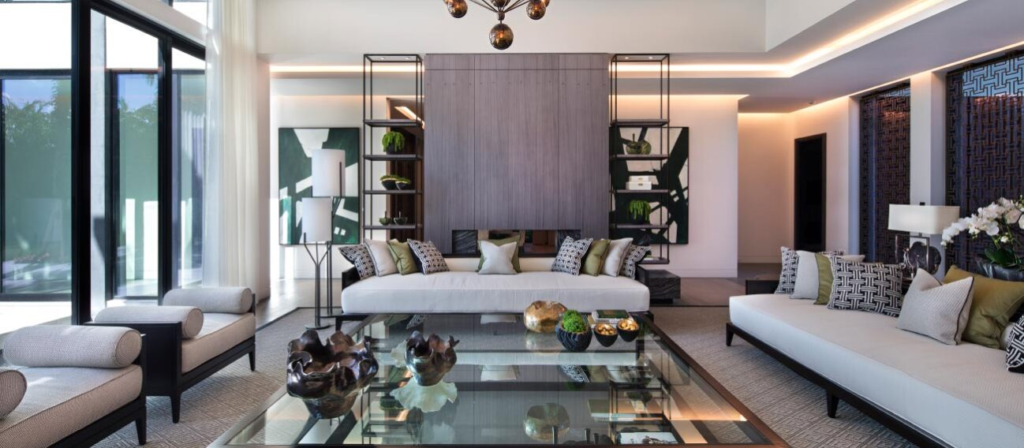
Lighting can completely change how a room looks and feels. In 2026, interior design increasingly focuses on combining different lighting sources instead of depending on a single ceiling light.
A well-planned lighting arrangement usually includes three types:
Ambient lighting: Provides general illumination throughout the room. Ceiling lights and recessed fixtures are common examples.
Task lighting: Helps with specific activities such as reading, cooking, studying, or working. Desk lamps and under-cabinet kitchen lights are useful options.
Accent lighting: Highlights particular features such as artwork, shelves, architectural details, or decorative objects.
Warm lighting is often preferred in bedrooms and living areas because it creates a softer atmosphere. Brighter, more focused lighting may be more suitable for kitchens, study areas, and workspaces.
Practical tip: Add a table lamp or floor lamp to your living room. It can create a comfortable evening atmosphere without requiring a major electrical renovation.
Personalised Décor and Handmade Accessories
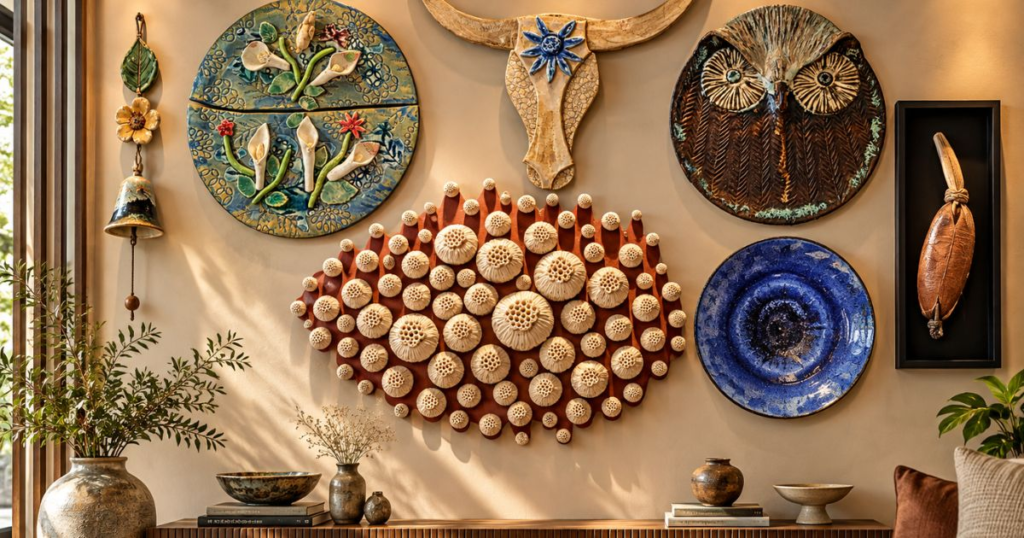
Homes are becoming more expressive, with greater attention given to decorative objects that have personal meaning.
Rather than purchasing matching accessories for every corner, homeowners are combining artwork, handmade pieces, travel souvenirs, family photographs, books, and vintage finds.
This approach makes interiors feel more individual.
Some ideas include:
- A gallery wall featuring personal photographs.
- Handmade ceramic vases.
- Traditional Indian textiles and cushions.
- Framed artwork from local artists.
- Decorative pieces collected during travel.
- Handwoven baskets and rugs.
In Indian homes, traditional crafts can work beautifully with contemporary furniture. A handcrafted lamp, block-printed cushion, or decorative brass accessory can add cultural character without making the room feel old-fashioned.
Practical tip: Display a few meaningful pieces together rather than filling every shelf. Give each item enough space to stand out.
Wellness-Focused Living Spaces
A home should support more than everyday responsibilities. It should also provide places where people can relax, recharge, and spend time doing activities they enjoy.
Wellness-focused interiors are therefore becoming an important part of modern home design.
You can create a wellness-friendly space through simple additions such as:
- A comfortable reading corner.
- A small yoga or meditation area.
- Better natural lighting.
- Comfortable seating.
- Good ventilation.
- Soft bedding and calming colours.
- A quiet corner for hobbies or relaxation.
You do not need a separate wellness room. Even a small area beside a window can become a peaceful personal space.
Practical tip: Choose one corner of your home and make it free from unnecessary clutter. Add comfortable seating, soft lighting, and something you enjoy, such as books or indoor plants.
Home Décor Ideas for Different Rooms
Every room has a different purpose, so the best design choices should match how you use the space.
| Room | Home and living ideas for 2026 |
|---|---|
| Living room | Curved furniture, earthy colours, layered lighting, and natural textures |
| Bedroom | Soft bedding, warm lamps, calming colours, and comfortable furniture |
| Kitchen | Practical storage, natural finishes, efficient lighting, and organised counters |
| Bathroom | Natural textures, simple storage, good ventilation, and relaxing lighting |
| Balcony | Indoor-outdoor plants, compact seating, and weather-resistant décor |
| Dining area | Wooden furniture, warm lighting, handmade tableware, and comfortable seating |
| Home office | Ergonomic furniture, task lighting, organised storage, and fewer distractions |
Budget-Friendly Ways to Refresh Your Home in 2026
Following home décor trends does not mean spending a large amount of money. You can make meaningful improvements by focusing on small changes that have a noticeable effect.
Here are some affordable ideas:
1. Rearrange Existing Furniture
Try changing the position of your sofa, chairs, or dining table. A different arrangement can make a familiar room feel fresh.
2. Update Cushion Covers and Curtains
Textiles are an easy way to introduce new colours and textures without replacing large furniture pieces.
3. Add Indoor Plants
A few well-placed plants can bring colour and natural character into your home.
4. Improve Your Lighting
Replace harsh lighting with suitable warm or adjustable options in relaxing areas.
5. Organise Visible Clutter
Use baskets, storage boxes, drawer organisers, and shelves to keep everyday belongings organised.
6. Refresh Old Furniture
Painting a side table, replacing cabinet handles, or restoring an old chair can be more affordable than buying new furniture.
7. Display Personal Artwork
Photographs, prints, handmade crafts, and personal collections can make plain walls more interesting.
Common Home Décor Mistakes to Avoid
While exploring new design ideas, it is easy to become distracted by trends and forget what makes a home comfortable.
Try to avoid these common mistakes:
- Buying furniture without measuring: Large furniture can make a small room feel crowded.
- Using too many colours: A balanced colour palette generally creates a more harmonious appearance.
- Ignoring lighting: Even attractive furniture can look uninviting under poor lighting.
- Overdecorating every surface: Too many accessories can make rooms feel visually busy.
- Following trends without considering lifestyle: A fashionable item may not be practical for your daily needs.
- Choosing appearance over comfort: Furniture should be comfortable as well as attractive.
- Ignoring maintenance: Some materials require more cleaning and care than others.
A good interior is not one that follows every trend. It is one that works for the people who live there.
How to Choose the Right Home and Living Style
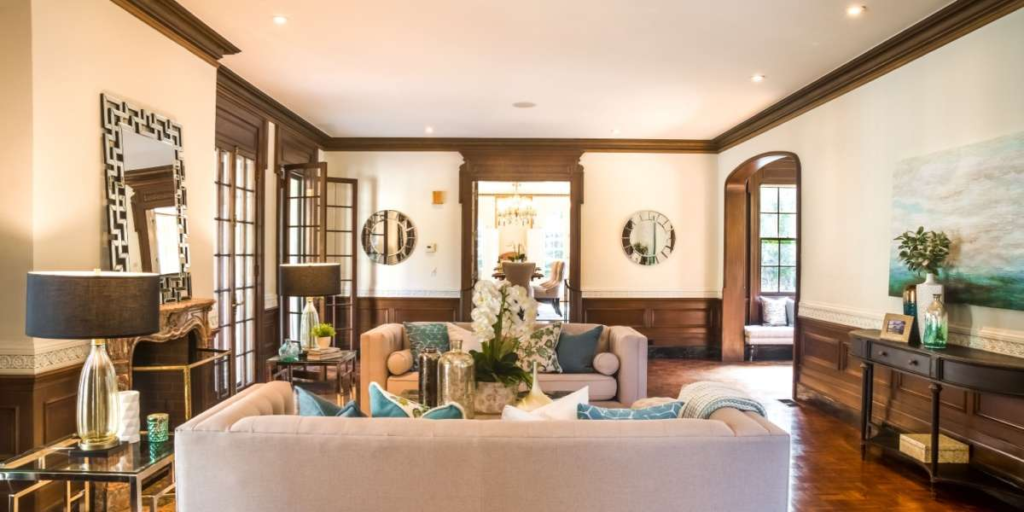
Before changing your interiors, think about your lifestyle, available space, and budget.
Here are a few questions worth considering:
What atmosphere do you want to create?
Some people prefer a calm and minimal environment, while others enjoy colourful, expressive interiors. Choose a direction that feels natural to you.
How much space do you have?
Small homes benefit from multifunctional furniture, vertical storage, and lighter visual arrangements. Larger rooms offer more flexibility for seating and decorative features.
What is your budget?
Decide which changes are most important. You might prioritise lighting and storage before investing in decorative upgrades.
How much maintenance can you manage?
Natural materials, indoor plants, and certain furniture finishes may require regular care. Choose options that fit your routine.
Will the design remain useful over time?
Trends change, but comfortable furniture, good storage, quality lighting, and durable materials remain valuable.
FAQ’s
1. What are the biggest home and living trends in 2026?
Earthy colours, natural materials, curved furniture, smart technology, and sustainable décor are popular trends.
2. Which colours are trending for home interiors in 2026?
Warm beige, terracotta, sage green, olive, chocolate brown, and soft ivory are trending.
3. How can I make my home look modern on a budget?
Rearrange furniture, add plants, update cushions, improve lighting, and use affordable decorative accessories.
4. What are the best home décor ideas for small spaces?
Choose multifunctional furniture, wall-mounted storage, foldable tables, mirrors, and light colour schemes.
5. How can I make my home more eco-friendly?
Use durable furniture, reuse existing items, choose natural materials, add plants, and install energy-efficient lighting.