Have you ever walked into a room and immediately felt comfortable, even though nothing about it seemed particularly luxurious? Maybe the sunlight came through the curtains just right, the sofa looked inviting, or a few plants and personal photographs made the space feel lived in. That is often what makes a home beautiful. It is not always about expensive furniture or perfectly matched decorations. It is about how a space makes you feel.
Interior design in 2026 is moving towards homes that feel more personal, comfortable, and practical. People are paying attention to the little things that make everyday life better, from choosing softer colours and natural materials to creating useful storage and making the most of natural light. Instead of trying to make every room look like a photograph in a furniture catalogue, many homeowners are looking for spaces that reflect their personalities and routines.
Think about your own home for a moment. Perhaps your living room needs a more comfortable seating arrangement, your bedroom feels a little dull, or your kitchen counter has become a permanent storage area for things that do not belong there. These are the kinds of everyday problems that thoughtful interior design can help solve.
The good news is that refreshing your home does not always require a renovation. A different furniture arrangement, a new lampshade, a few cushion covers, or a well-chosen piece of artwork can change the atmosphere of a room without stretching your budget.
In this guide, we will explore the interior design trends worth considering in 2026, along with practical ideas for different rooms, small homes, budget-conscious decorating, and creating a space that remains beautiful long after a trend has passed.
Warm Colours Are Making Homes Feel More Welcoming
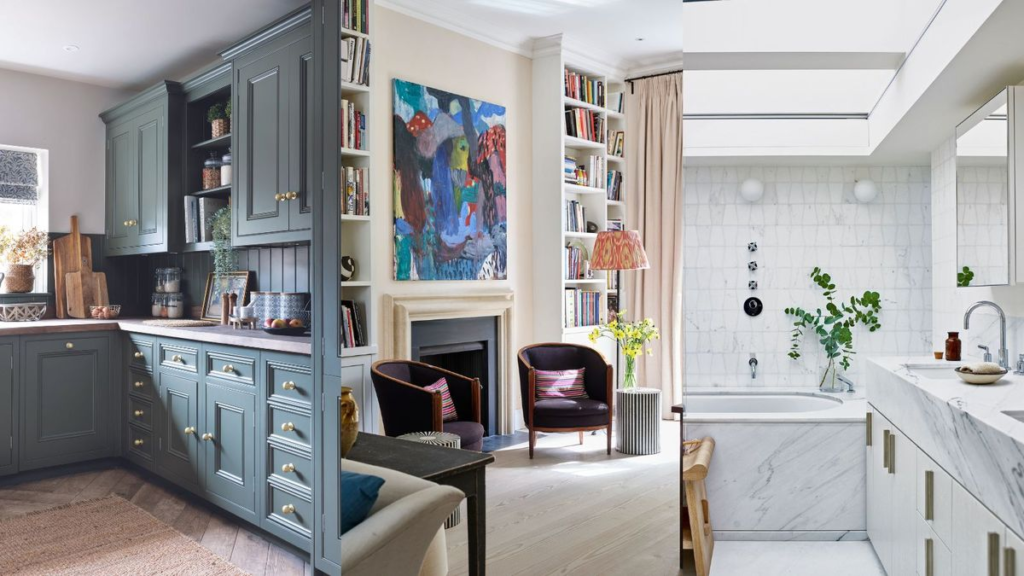
Colour is one of the first things people notice when they enter a room. It can make a space feel calm, cheerful, cosy, or energetic, sometimes without anyone consciously revealing why.
In 2026, warm neutrals and nature-inspired colours are useful choices for creating comfortable interiors. Shades such as cream, beige, terracotta, muted green, warm brown, and dusty blue can bring personality to a room without making it feel overwhelming.
Move Beyond Plain White Walls
White walls are versatile, but they are not the only way to create a bright home. Warm white, soft beige, pale sand, and light greige can offer a similar sense of openness with a little more warmth.
Imagine a living room with cream walls, a wooden coffee table, olive-green cushions, and a soft rug. Nothing needs to be particularly expensive, yet the combination can feel thoughtfully put together.
If repainting is not an option, you can introduce colour through curtains, bedding, cushions, artwork, or decorative accessories.
Bring Nature-Inspired Colours Indoors
Earthy colours work particularly well with wood, woven baskets, ceramic pots, and natural-fibre fabrics.
Terracotta can add warmth to a neutral room, while sage green may suit a bedroom or reading corner. Deep blue or forest green can create a richer look when used on a feature wall or a single piece of furniture.
You do not need to use every colour you like in one room. Choose two or three complementary shades and repeat them in small ways.
Do Not Forget Your Own Preferences
A colour may be fashionable, but that does not mean you need to use it. If you have always loved blue, there is no reason to replace it with beige simply because neutral interiors are popular.
The best colour palette is one you enjoy seeing every day.
A simple tip: Before painting an entire room, test a small patch on the wall. Look at it in the morning, afternoon, and evening because natural and artificial lighting can change how a colour appears.
Natural Materials Bring Warmth and Character
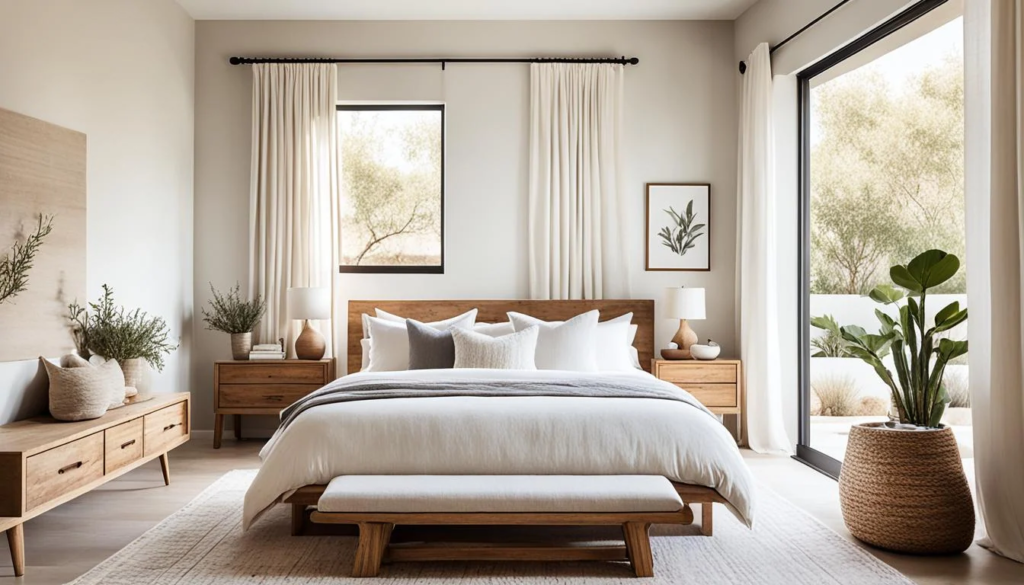
A room filled with perfectly smooth surfaces can sometimes feel a little flat. Natural materials add texture and make a space more interesting without requiring lots of decorative objects.
Wood, cotton, linen, wool, stone, cane, and ceramics are practical starting points if you want your home to feel warmer and more inviting.
Wooden Furniture That Never Feels Out of Place
Wooden furniture works with many interior styles, from traditional Indian homes to modern apartments. A wooden dining table, bedside cabinet, bookshelf, or coffee table can introduce warmth into a room dominated by painted surfaces.
Light wood often suits airy interiors, while darker finishes can create a more dramatic atmosphere. You do not need every wooden item to have exactly the same finish. A little variation can make the room feel collected over time rather than purchased as one matching set.
Soft Fabrics Make a Difference
Think about the difference between a bare sofa and one with comfortable cushions and a textured throw. The furniture itself has not changed, but the room feels more inviting.
Linen curtains, cotton bedding, woven rugs, and soft blankets are simple ways to introduce texture. They can also be updated more easily than large furniture pieces when you want a change.
Handmade Pieces Add Personality
A handmade ceramic vase, a locally crafted wooden tray, or a decorative object picked up during a trip can make a room feel more personal.
These pieces do not need to match perfectly. Sometimes, an unusual object becomes the most interesting part of a room because it has a story behind it.
Rather than filling every shelf, choose a few pieces you genuinely like and give them enough space to stand out.
Curved Furniture and Rounded Details
For years, many modern interiors have relied heavily on straight lines, rectangular tables, and sharp geometric shapes. These are still useful design choices, but rounded forms can introduce a softer, more relaxed feeling.
Curved sofas, circular mirrors, oval coffee tables, and rounded lamps are options worth exploring if you want to change the look of a room.
Start Small Instead of Replacing Everything
You do not need to buy a curved sofa to try this trend. A round mirror above a console table or an oval coffee table can make a difference.
Rounded shapes work especially well when balanced with simpler furniture. For example, a circular mirror can soften the appearance of a rectangular cabinet without making the entire room feel overly decorative.
Think About Movement Around Furniture
Appearance matters, but the way people move through a room matters just as much.
In a compact living room, a rounded coffee table may be easier to move around than a large table with sharp corners. However, the best choice depends on the room’s dimensions, the furniture layout, and the needs of everyone using the space.
Measure carefully before purchasing anything large. A stylish piece is only useful if you can comfortably live with it.
Comfortable Furniture Is More Important Than Ever
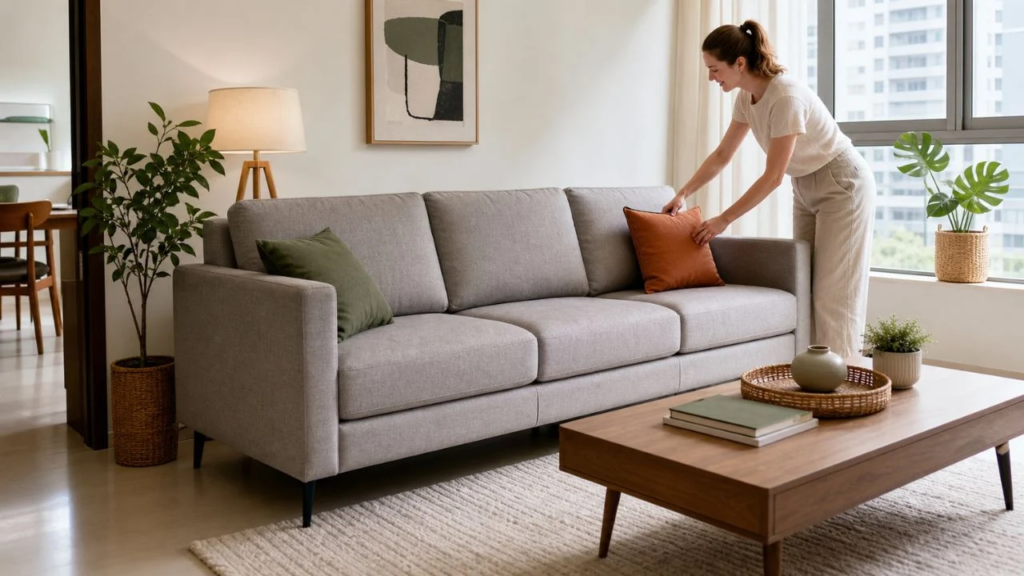
A sofa can look wonderful in a photograph and still be uncomfortable to sit on. A dining table can be beautiful but leave too little room to pull out the chairs. These are small details, but they affect how a home feels every single day.
A practical approach to interior design starts by asking a simple question: How do I actually use this room?
Choose Furniture Around Your Daily Routine
If your living room is where the family watches television, relaxes, and entertains guests, comfortable seating should be a priority. If you work from home, you may need a proper desk and a supportive chair rather than a decorative table that is too small for your laptop.
For a family that regularly hosts visitors, an extendable dining table or extra movable seating might be more useful than a large decorative cabinet.
The right furniture depends on the people who use it.
When space is limited, furniture that serves more than one purpose can be particularly useful.
Multifunctional Furniture for Smaller Homes
- A bed with drawers can provide extra storage for bedding and clothing.
- A sofa bed can offer a sleeping space for occasional guests.
- An extendable dining table can accommodate more people when needed.
- A storage ottoman can hold blankets while providing additional seating.
- A foldable desk can free up space when work is finished.
- Nesting tables can be separated when extra surfaces are needed and stacked away afterward.
Before buying multifunctional furniture, check how easy it is to open, fold, clean, and move. Convenience is the whole point.
Invest in Comfort Where It Matters Most
You spend many hours sitting on a sofa or sleeping on a mattress, so these purchases deserve more thought than a decorative accessory.
Check dimensions, materials, maintenance requirements, and comfort before making a decision. When possible, try furniture in person instead of relying entirely on product photographs.
Lighting Can Completely Change a Room
Lighting is often overlooked during decorating, yet it can make an enormous difference. A room with attractive furniture may still feel uncomfortable if the lighting is too harsh, too dim, or poorly positioned.
The solution is not necessarily to install a more expensive ceiling fixture. It is to think about how different lights work together.
Combine Different Types of Lighting
Most rooms benefit from a mixture of general lighting, task lighting, and accent lighting.
General lighting illuminates the room. Task lighting helps with activities such as reading, cooking, or working. Accent lighting draws attention to a particular feature, such as artwork or a decorative shelf.
For example, a living room could have a ceiling light, a floor lamp beside the sofa, and a small table lamp in a reading corner.
This arrangement allows you to adjust the atmosphere according to the time of day and what you are doing.
Make Your Bedroom Feel More Relaxing
Bright overhead lighting may be useful when cleaning or organising a bedroom, but softer bedside lighting can feel more comfortable in the evening.
Bedside lamps, suitable wall lights, and warm-toned bulbs can create a more restful atmosphere. Choose lighting that is comfortable for reading without producing unnecessary glare.
Let Daylight Do Its Work
Natural light can make a room feel more open and pleasant. Keep windows reasonably clear, choose curtains that suit your privacy needs, and avoid placing bulky furniture where it unnecessarily blocks daylight.
Mirrors may help reflect light around a room when positioned thoughtfully. A mirror opposite a window, for instance, can reflect the view and brighten part of the space.
The key is to work with the light your home already receives instead of trying to copy a lighting setup designed for a completely different property.
Bring Nature Indoors With Plants and Natural Details
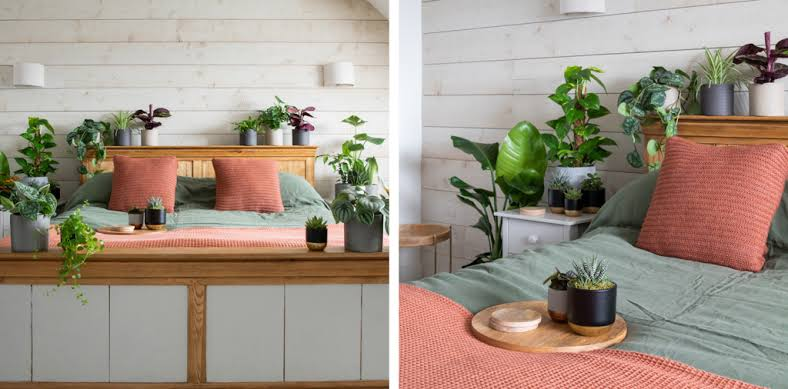
There is something appealing about a home with a little greenery. Plants can soften a room, add colour, and create a connection with the outdoors.
You do not need a large garden or a collection of rare plants. Even one healthy plant in the right place can make a corner feel more complete.
Choose Plants You Can Actually Look After
Before buying a plant, consider the light available in your home, how often you can water it, and the temperature and humidity of the room.
A plant that thrives on a sunny balcony may struggle in a dim hallway. Choosing something suited to your environment is usually better than buying a plant simply because it looks attractive in a shop.
If you are new to indoor gardening, start with one or two plants and learn their care requirements.
Create a Small Green Corner
A plant beside a reading chair, a few pots near a suitable window, or a small arrangement on a balcony can bring life into a room.
In a small apartment, a plant stand or a securely installed wall planter may help save floor space. Just make sure that water does not damage the surrounding furniture and that pots cannot fall into walkways.
Nature Is More Than Houseplants
If plants are not practical for your home, you can still create a natural atmosphere through wood, woven textures, stone, botanical artwork, and colours inspired by the outdoors.
The aim is to make the room feel comfortable, not to turn it into an indoor jungle.
Minimalist Interiors That Still Feel Like Home
Minimalism can be useful when a room feels crowded, but it does not mean living without personal belongings. A home can be uncluttered and still contain books, photographs, artwork, souvenirs, and objects with sentimental value.
The difference is that each item has a place and a reason for being there.
Start by Removing What You No Longer Need
Look around your living room or bedroom. Are there objects you have not used in months? Are there decorations that no longer suit your taste? Is a table covered with items that could be stored elsewhere?
You do not have to clear everything out in one afternoon. Start with one shelf, one drawer, or one corner.
Small changes are often easier to maintain than a complete home makeover.
Give Everyday Items a Proper Place
Storage is one of the most practical parts of good interior design.
Baskets can hold blankets, drawer organisers can keep small items together, and cabinets can hide things that do not need to remain on display. In a busy family home, convenient storage is often more realistic than expecting every surface to remain perfectly clear.
Keep the Things That Mean Something to You
A framed family photograph, a favourite collection of books, or a souvenir from a memorable trip can make a room feel personal.
You do not need to hide these objects to create a minimalist interior. Simply choose a few to display together and allow some empty space around them.
A home should reflect the people living in it, not just a design trend.
Sustainable Interior Design: Make Thoughtful Choices
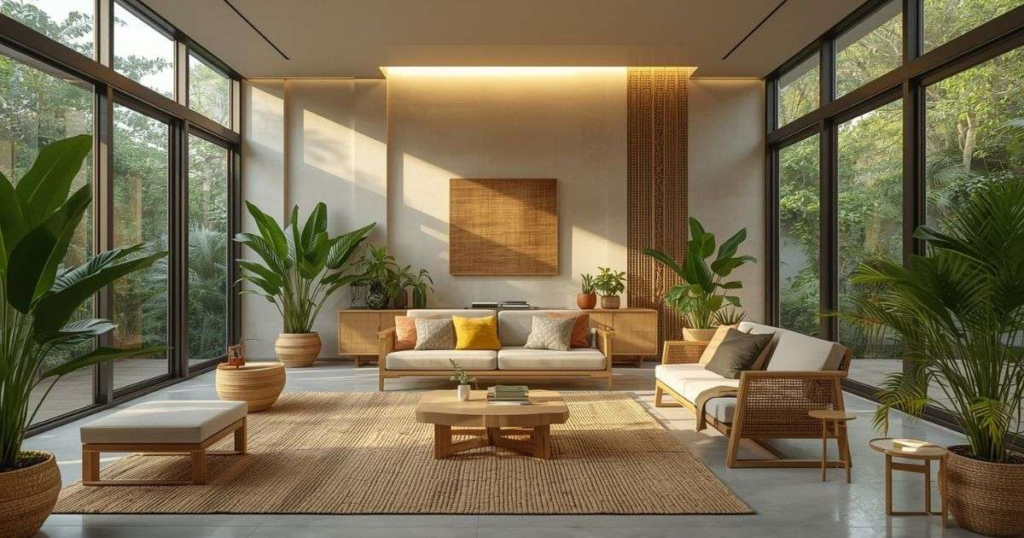
Decorating can be exciting, especially when new furniture and accessories are easy to find online. However, buying something new every time you want a change can become expensive and create unnecessary waste.
A more thoughtful approach is to make the most of what you already own and buy new items when they genuinely improve your home.
Give Old Furniture a Second Life
Before replacing a wooden cabinet, side table, or chair, consider whether it can be repaired or refreshed.
New handles can change the appearance of a cabinet. A fresh finish may improve an old table, while suitable upholstery can give a chair a completely different look.
Of course, not every item is worth repairing. The decision depends on its condition, sentimental value, repair cost, and how well it meets your needs.
Buy for Durability Rather Than Appearance Alone
When choosing furniture, look at construction, materials, ease of maintenance, and whether replacement parts are available.
A lower-priced product may be a sensible choice, but it is worth considering how long it is likely to last and how much maintenance it requires.
Be cautious about vague sustainability claims. Specific information about materials, manufacturing, durability, and recognised certifications is more useful than a label alone.
Explore Second-Hand and Local Options
Second-hand furniture and vintage accessories can add character to a home. They may also help extend the useful life of products that would otherwise be discarded.
Inspect used furniture carefully for damage, stability, pests, and repair needs. Check electrical items for safety before using them.
Local craftspeople can also offer distinctive pieces that suit your space and support smaller businesses.
Avoid Buying Things Just Because They Are Trending
A home does not need a new colour scheme every year. Larger purchases should ideally suit your needs for a long time, while smaller accessories can be changed when you want something different.
This approach is often kinder to your budget as well as more practical.
Smart Home Technology for Everyday Convenience
Modern homes increasingly include connected devices that help people manage lighting, security, temperature, and certain household tasks.
These technologies can be useful, but you do not need to turn your entire home into a smart home to benefit from them.
Smart Lighting for Different Situations
Depending on the product, smart bulbs and switches may let you adjust brightness, set schedules, or control lights remotely.
You might prefer brighter lighting when working and softer lighting while relaxing in the evening. Some systems allow you to save these settings so that you can change them easily.
Before purchasing smart lighting, check whether it is compatible with your fixtures, switches, internet connection, and preferred control system.
Connected Devices Around the Home
Smart doorbells, sensors, and selected household devices may offer useful alerts or remote controls.
However, consider what happens if the internet stops working, whether the device requires a subscription, and how easy it is to maintain.
Technology should simplify daily routines rather than make ordinary tasks more complicated.
Remember Privacy and Security
Connected devices may collect information about household activity. Use strong passwords, enable available security settings, install updates, and review the information each device collects.
Read privacy policies before linking devices to accounts or granting access to other household members.
A convenient home is also one where people feel confident about their privacy.
Room-by-Room Interior Design Ideas for 2026
Every room has its own purpose. A living room needs to support relaxation and conversation, while a kitchen must remain practical during everyday cooking. Designing each space around its actual use usually produces better results than following a single style throughout the home.
Living Room: Make It Comfortable and Inviting
Start with the furniture layout. Can people move around the sofa easily? Is there somewhere comfortable to sit when guests arrive? Can everyone see the television or talk to one another without awkwardly turning their chairs?
A rug can help define the seating area, while cushions and a throw add texture. A floor lamp or table lamp can make the room feel more inviting in the evening.
If the room is small, avoid filling every corner with furniture. Leaving a little open space can make the entire layout feel more comfortable.
Bedroom: Create a Place to Unwind
Your bedroom does not need elaborate decorations to feel special. Comfortable bedding, suitable bedside lighting, useful storage, and a calming colour palette can make a real difference.
If clothes and everyday belongings tend to accumulate, focus on storage before buying decorative accessories. A room often feels more peaceful when the things you use regularly have a convenient place.
Choose curtains according to the amount of light and privacy you need, and avoid buying oversized furniture that makes it difficult to move around.
Kitchen: Keep It Functional
A beautiful kitchen is easier to enjoy when it works well.
Keep frequently used cookware near the areas where you prepare food, organise drawers so utensils are easy to find, and leave enough clear counter space for cooking.
You can add personality with a washable runner, a small decorative bowl, or a suitable plant placed away from heat and food-preparation areas. Avoid allowing decoration to interfere with hygiene or everyday use.
Bathroom: Focus on Light, Storage, and Cleanliness
Bathrooms often feel cluttered because toiletries, towels, and cleaning products compete for limited space.
Use organisers, hooks, and shelves suited to the room. Good lighting and ventilation are also important, particularly in bathrooms that remain damp after showers.
Coordinated towels, a simple mirror, or matching accessories can refresh the appearance without requiring a complete renovation.
Home Office: Make Working More Comfortable
If you work or study at home, create a space that supports concentration.
Choose a desk with enough room for your equipment, a comfortable chair, and lighting suited to reading and screen work. Keep cables, documents, and stationery organised so that the workspace does not become difficult to use.
In a shared room, even a small desk with a shelf above it can help distinguish work time from relaxation.
Balcony: Turn Unused Space Into Something Useful
A balcony can become a place to enjoy morning tea, read, grow plants, or simply get some fresh air.
Start by cleaning the area and checking how much space is available. Add compact seating, suitable outdoor accessories, and plants that can tolerate the local weather.
Keep the walkway clear and secure furniture and planters properly. If you rent your home, portable furniture and removable decorations can offer flexibility without permanent changes.
Small Home Interior Design Ideas That Make a Difference
Living in a small apartment or house does not mean giving up on good design. It simply means being more careful about how space is used.
The trick is to make every piece of furniture and every storage decision work a little harder.
Measure Before You Buy
A sofa may look compact online but feel enormous when it arrives. Measure the room, doorways, and available walking space before ordering furniture.
Remember to account for drawers, cupboard doors, and fold-out furniture that need additional clearance.
Use Wall Space Wisely
Wall shelves, hooks, and tall storage units can help free up the floor.
Use them for books, everyday essentials, or a few decorative pieces. Make sure wall-mounted items are installed securely and are suitable for the weight they will carry.
Keep the Colour Scheme Cohesive
Using a few related colours across connected rooms can help a small home feel more organised visually.
Light colours can reflect more light, but darker shades can also work in compact spaces when balanced with appropriate lighting and furnishings. There is no universal rule that every small room must be white.
Choose Mirrors With Care
Mirrors can reflect light and create a greater sense of depth when positioned well.
Consider what the mirror will reflect before hanging it. A pleasant view or a bright window may work better than a cluttered corner.
Leave Room to Move
A small home often feels crowded because furniture has been arranged without enough space between pieces.
You do not need to fill every available corner. Prioritise comfortable movement, useful storage, and furniture that suits the room.
Sometimes, removing one unnecessary table makes a bigger difference than buying five new decorative items.
Budget-Friendly Ways to Refresh Your Home
A home refresh can be satisfying without becoming an expensive project. Before shopping, look around and see what you can improve with the items you already own.
Rearrange Before Replacing
Try moving a chair closer to a window, shifting a side table, or changing the direction of your seating arrangement.
Sometimes, furniture is not the problem; it is simply in the wrong place.
Take a photograph of the room before rearranging it. Comparing the two layouts can help you decide which arrangement feels more open and practical.
Change the Small Things First
Cushion covers, throws, bedding, curtains, lampshades, and artwork can all change the appearance of a room.
Choose a few items that work with your existing furniture rather than buying an entirely new set.
Make Your Own Decorative Details
If you enjoy creative projects, you could frame prints, reuse glass jars as decorative containers, or refresh an old tray with an appropriate finish.
Choose projects that suit your skill level and use materials safely. A simple, well-finished project is usually more satisfying than a complicated one that never gets completed.
Plan Your Spending
Before making purchases, decide which changes matter most.
You might priorities a comfortable chair over decorative cushions, better storage over another ornament, or suitable lighting over an expensive feature wall.
Keep delivery, installation, and maintenance costs in mind when setting your budget.
Remember: A beautiful home is not measured by how much money you spend on it. Thoughtful choices and a practical layout often matter more than the price of individual items.
Common Interior Design Mistakes to Avoid
Even when you have plenty of inspiration, a few common mistakes can make decorating more difficult than it needs to be.
Buying furniture without measuring: Always check dimensions and walking space before purchasing large items.
Relying on one light source: A single ceiling light may leave some parts of a room poorly lit. Combine suitable lighting sources when practical.
Copying a trend without considering your lifestyle: A design that looks beautiful in a photograph may not suit your family, habits, or available space.
Ignoring storage: Without convenient storage, everyday objects quickly accumulate on tables, counters, and chairs.
Choosing appearance over comfort: Test furniture when possible and consider how you will use it every day.
Adding too many decorations: Allow favourite pieces to stand out instead of filling every shelf and wall.
Forgetting maintenance: Consider whether fabrics, flooring, paint, and finishes suit your household and cleaning routine.
Trying to finish everything at once: Decorating gradually gives you time to understand what works and prevents unnecessary purchases.
Ignoring your personal taste: Your home should reflect your preferences, not simply imitate an online inspiration photograph.
A Simple Plan for Refreshing Your Home in 2026
If you are unsure where to begin, a straightforward plan can help you avoid feeling overwhelmed.
Look at Your Home Honestly
Spend a few minutes in each room and notice what bothers you. Perhaps the lighting is poor, the furniture blocks movement, or there is not enough storage.
Write down the main problem instead of immediately deciding what to buy.
Decide What Matters Most
Choose one or two improvements that would make everyday life easier. For example, organising the bedroom wardrobe may be more useful than changing its colour scheme.
Set a Realistic Budget
Decide how much you can comfortably spend. Separate essential purchases from optional upgrades, and leave some room for unexpected costs.
Choose Colours and Materials
Look at your existing furniture and decide which colours and textures would complement it. Collect inspiration, but do not feel that you need to copy an entire room.
Make Small Changes First
Rearrange furniture, declutter surfaces, improve lighting, or update soft furnishings before committing to major renovation work.
Give Yourself Time
Live with the changes for a while. You may discover that a new arrangement works perfectly, or you may notice one small adjustment that would improve it further.
There is no need to rush. A home is something you build around your life, and your needs may change over time.
Final Thoughts
Interior design trends in 2026 offer plenty of inspiration, from warm colour palettes and natural materials to curved furniture, layered lighting, indoor plants, and smarter storage. But the most useful ideas are not necessarily the ones receiving the most attention online. They are the ones that make your own home more comfortable and enjoyable.
You might begin with something as simple as changing your living room layout, adding a lamp beside your favourite chair, or finding a better way to organise your kitchen. These changes may seem small, but they can improve the way a room looks and feels every day.
If your budget is limited, focus on what you already own before buying anything new. If you live in a small home, priorities storage and comfortable movement. And if you love decorating, allow your home to evolve gradually rather than trying to follow every new trend.
Most importantly, leave room for the things that make your home personal. The photographs, books, handmade objects, favourite colours, and familiar furniture are often what make a space feel like yours.
A beautiful home is not one that looks perfect all the time. It is one that feels welcoming, works for your lifestyle, and gives you a place where you can truly relax.
FAQ’s
1. What are the top interior design trends in 2026?
Popular trends include warm colour palettes, natural materials, curved furniture, layered lighting, indoor plants, and comfortable, functional spaces.
2. Which colours are trending in interior design in 2026?
Warm neutrals, earthy browns, soft greens, terracotta, and muted blues are popular choices for creating inviting interiors.
3. How can I decorate my home on a budget in 2026?
Refresh your space with new cushion covers, rearranged furniture, affordable lighting, indoor plants, and DIY décor.
4. What materials are popular for modern home interiors?
Wood, stone, linen, cotton, bamboo, and other natural-looking materials are popular for adding warmth and texture.
5. How can I make a small home look stylish and spacious?
Use multifunctional furniture, light colours, mirrors, smart storage, and suitable lighting to make a small home feel more open and organised.