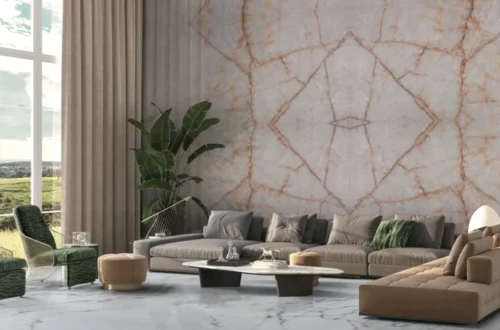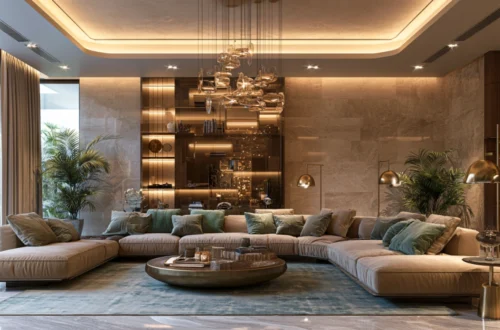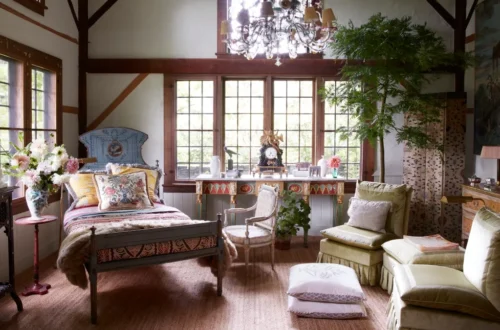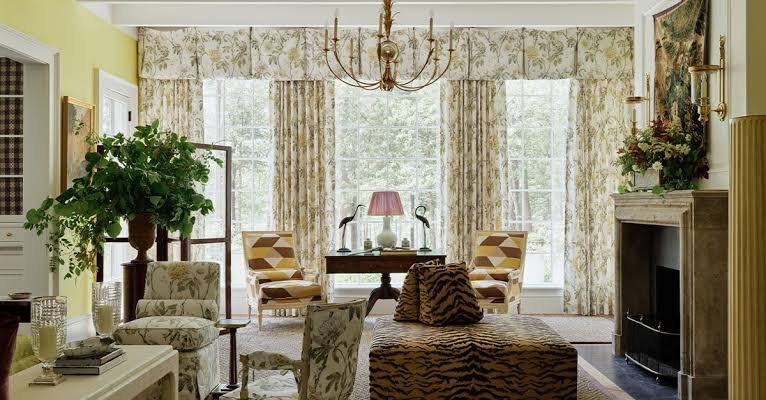
A home isn’t an Instagram backdrop or a high-end furniture showroom. It’s where you trip over shoes at the end of a long day, spill coffee on Sunday mornings, host chaotic family dinners, and collapse onto the sofa after a grueling week. The way your space looks and feels directly impacts your daily mood, which is why interior design is moving away from cold, picture-perfect perfection.
This year, the design world is finally embracing reality. We are moving away from matchy-matchy furniture sets, stark sterile whites, and razor-sharp corners. Instead, the focus has shifted toward quiet comfort: grounded earthy tones, touchable textures, relaxed curved silhouettes, and spaces that look like an actual human being lives in them.
You don’t need a sprawling floor plan or a massive budget to make your place look incredible. Sometimes changing two light bulbs, swapping a rug, or painting a single wall can completely shift the energy of a room.
Here is a practical, honest walkthrough of how homes are evolving this year, along with simple ways to bring these ideas into your own space without tearing down your walls or draining your savings account.
Japandi: Stripping Away the Noise
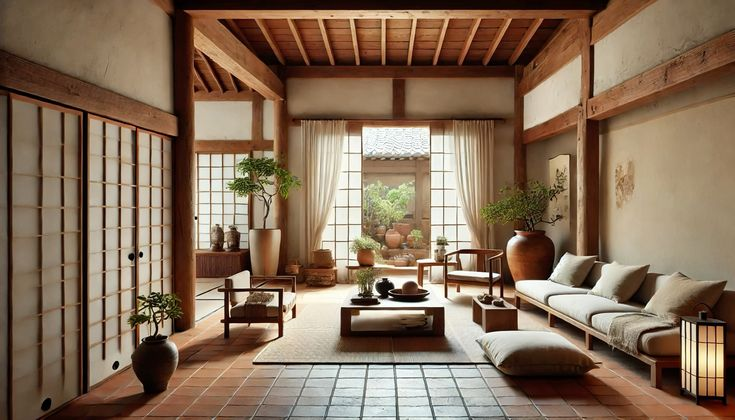
If your mind feels constantly clutter-brained, your living room shouldn’t reflect that chaos. Japandi design continues to dominate because it hits the sweet spot between Japanese minimalism and Scandinavian cozy. It focuses on buying fewer things, but making sure the things you do own are beautifully crafted and useful.
Instead of filling every square inch of a room with cheap decor, Japandi encourages you to leave breathing room. Think pale oak coffee tables with visible grain, unbleached linen curtains fluttering in the breeze, simple matte ceramics, and low-slung seating that grounds the space.
How to bring it home:
Start by editing down your surfaces. Clear off your coffee table, leave one beautifully textured ceramic bowl in the center, and swap out synthetic throw pillows for natural cotton or raw linen.
Warm Minimalism: Ditching the Cold “Gallery” Look
For years, minimalism meant stark white walls, razor-thin stainless steel, and rooms so empty they echoed when you talked. It looked great in magazines, but it felt terrible to actually live in. Warm minimalism fixes that mistake.
It keeps the clutter-free layout of traditional minimalism, but drenches the space in comforting warmth. Instead of brilliant optic whites, walls are painted in creamy oatmeals, buttery sands, and soft taupes. Furniture keeps its clean lines, but gets upholstered in soft bouclés, washed linens, and honey-toned woods.
How to bring it home:
If your living room feels cold, don’t buy more knick-knacks. Instead, swap out your cool-toned overhead light bulbs for warm-toned ones, throw a thick woven throw blanket across the arm of your sofa, and introduce a matte wooden side table.
Earthy Palettes: Grounding Your Rooms in Nature
Color trends have swung dramatically away from icy greys and harsh neon accents. Right now, everyone wants their living space to feel like an escape from screens and concrete. That means we’re pulling our color inspiration directly from the outdoors.
We’re seeing rich terracotta, deep olive green, warm ochre, cocoa brown, and sun-baked clay take center stage. These colors add emotional depth to a room without making it feel loud or aggressive.
| Palette Pairings | Where It Works Best | The Vibe |
| Olive & Aged Oak | Living rooms, cozy dens | Grounded, serene, moody |
| Terracotta & Warm Cream | Dining rooms, entryways | Inviting, sun-kissed, vibrant |
| Cocoa Brown & Soft Sand | Bedrooms, reading corners | Enveloping, luxurious, calm |
| Muted Ochre & Linen | Kitchens, sunrooms | Cheerful, organic, warm |
How to bring it home:
Painting an entire room can feel overwhelming. Start small by buying terracotta linen napkin sets for your dining table, painting a single accent wall in a quiet olive green, or layering deep brown velvet cushions onto your existing sofa.
Soft Edges: Why Curved Furniture Changes Everything
Home
Take a quick look around your home right now. You’re likely surrounded by sharp rectangles: square coffee tables, rectangular rugs, sharp-edged tv stands, and boxy sofas. All those hard angles can make a space feel rigid and tense.
Curved furniture is taking over because rounded silhouettes break up that visual stiffness. Oval dining tables allow conversation to flow better around the room. Circular coffee tables make small living rooms safer for kids and pets to run around without hitting sharp corners. A rounded armchair instantly turns an awkward corner into a cozy nook.
How to bring it home:
You don’t need to throw out your sectional. Instead, balance its straight lines by placing an arched floor lamp behind it, hanging a large round mirror above the mantel, or swapping your square coffee table for an oval or drum-shaped wooden piece.
Touchable Walls: Replacing Flat Paint with Texture
Flat drywall painted in standard latex can feel a bit soulless. Wall treatments are having a massive moment because people want their surfaces to have physical and visual depth.
Limewash paint—which creates a subtle, cloud-like, brushed texture—is everywhere right now. People are also embracing vertical wooden slat walls behind beds, micro-cement finishes in bathrooms, and grasscloth wallpapers in dining rooms.
How to bring it home:
If you rent or don’t want to deal with messy plaster work, try peel-and-stick textured wallpaper on a single wall behind your headboard. If you own your home, painting your hallway with a subtle limewash effect adds instant old-world character without requiring heavy carpentry.
Conscious Craft: Materials That Get Better with Age
The era of cheap, disposable “fast furniture” that falls apart after two moves is coming to an end. People are tired of buying particle-board desks that warp after six months. There is a growing appreciation for honest materials that hold up over time and look even better as they age.
We are seeing a huge return to solid timbers, hand-woven jute, bamboo, natural stone like travertine, forged iron, and unpolished brass that develops a rich patina over time. Thrifting and vintage shopping have also become mainstays of modern design, adding history and soul to newer homes.
How to bring it home:
Before buying something brand new from a big-box retailer, check local vintage shops, estate sales, or online secondhand marketplaces. An old solid-wood dining table with a few scratches usually has ten times more character (and structural integrity) than a modern veneer table for the exact same price.
Moody Lighting: Mood Over Brightness
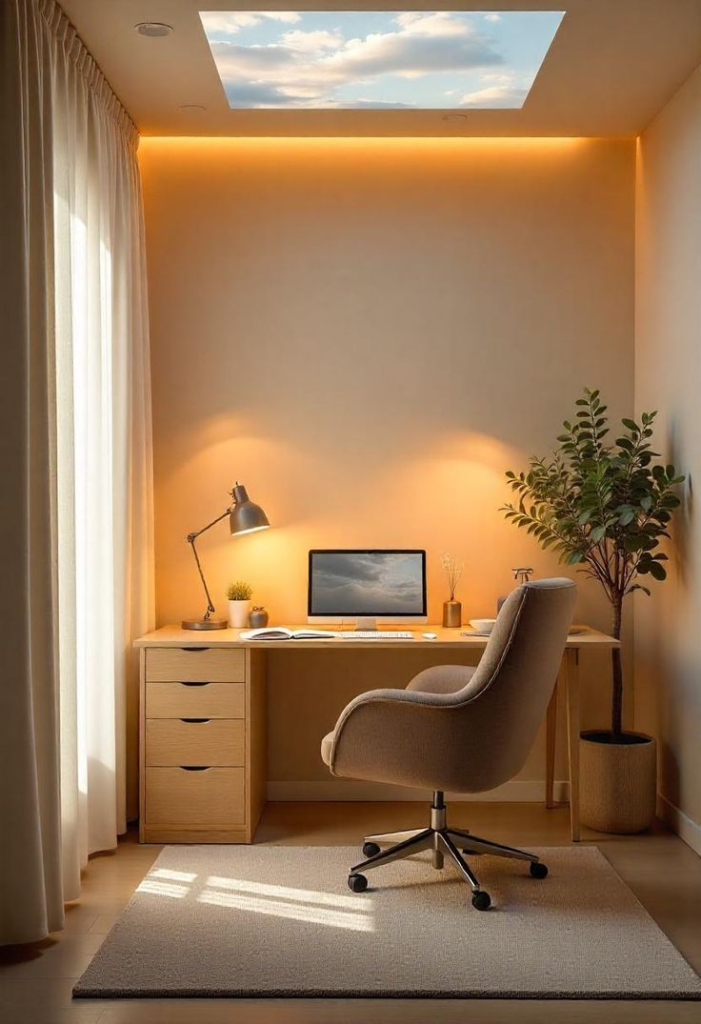
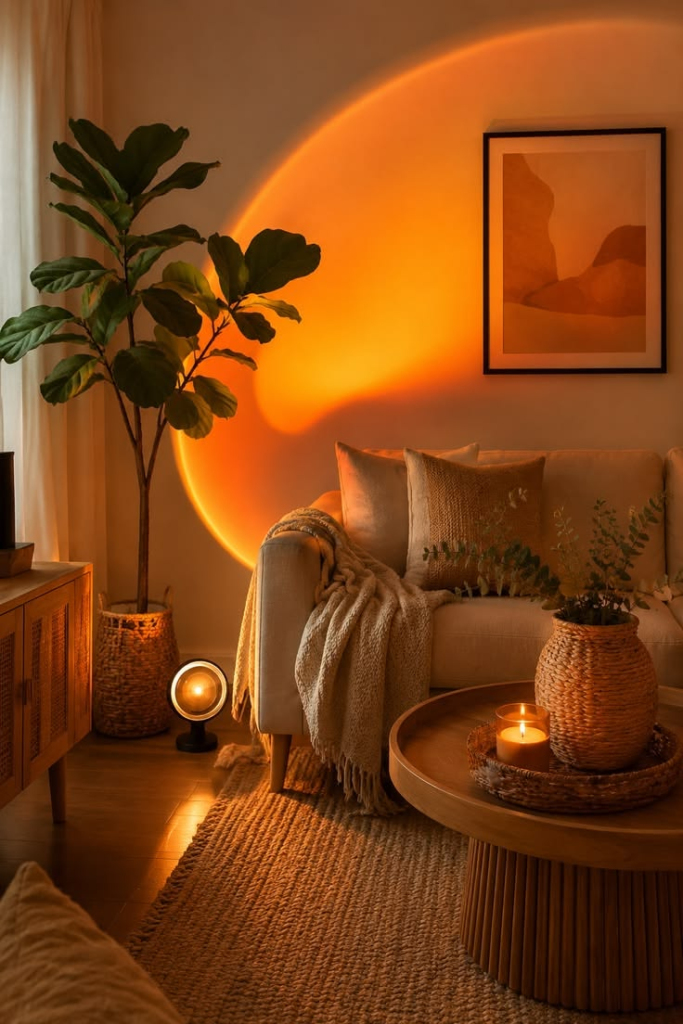
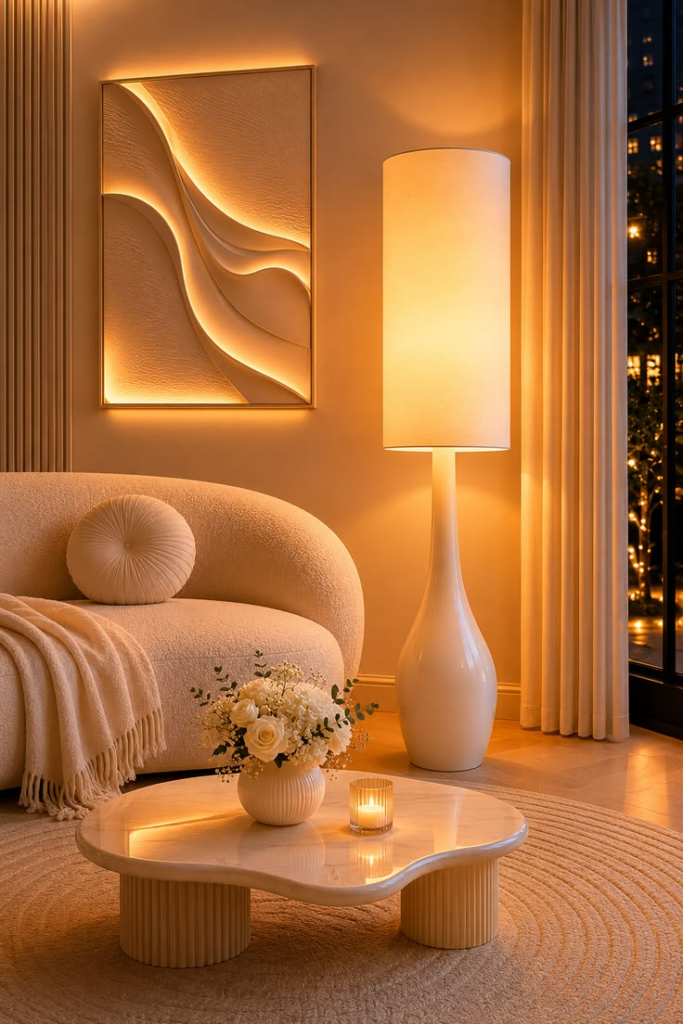
The fastest way to ruin the atmosphere of a room is to turn on a single, blazing-bright central ceiling fixture. Designers call this “the big light,” and the consensus is clear: turn it off.
Lighting should be built in layers, allowing you to change the mood of your room as the sun goes down.
- Ambient Light: Soft, diffused background light from dimmable ceiling fixtures or flush mounts.
- Task Light: Targeted illumination where you actually need it—a reading lamp next to your favorite chair, or under-cabinet LED strips in the kitchen so you can see what you’re chopping.
- Accent Light: Warm low-level glows that draw attention to artwork, shelves, or architectural features (like a small cordless lamp tucked into a bookshelf).
How to bring it home:
Place lamps at different heights throughout your living room. Add a tall floor lamp in a dark corner, a medium table lamp on a side console, and a tiny warm-toned lamp on a open shelf. Turn off your main ceiling light at dusk and rely purely on your low-level lamps.
Clever Layouts: Making Small Spaces Work Harder
As city homes and apartments become more compact, furniture has to pull its weight. But modern space-saving furniture isn’t just about utility; it’s about making small-footprint living feel luxurious rather than cramped.
We’re seeing gorgeous ottomans that open up to store heavy winter blankets, sleek drop-leaf dining tables that expand only when guests visit, and modular sofas that can be rearranged depending on whether you’re watching a movie alone or hosting a party.
How to bring it home:
Always measure your floor space twice before buying furniture for a compact room. Look for pieces that elevate off the ground on slim legs—seeing the floor extend under a sofa creates the optical illusion of a larger room.
Biophilic Spaces: Bringing the Outside In
Biophilic design sounds like a complex scientific term, but it simply means building a connection to nature inside your walls. It stems from the reality that human beings feel less stressed, more focused, and happier when surrounded by natural elements.
This goes beyond putting a single potted plant on your desk. It’s about letting daylight flood your windows during the morning, using sheer linen drapes instead of heavy blinds, using organic stone trays on your counters, and choosing art that features natural landscapes.
How to bring it home:
If you tend to kill indoor plants, don’t buy finicky fiddle-leaf figs. Start with indestructible greenery like Pothos, Snake Plants, or ZZ Plants. If live plants aren’t realistic for your routine, even a large ceramic pitcher filled with tall dried branches from your yard adds immediate life and height to a room.
Anti-Showroom Decor: Celebrating Your Real Story

The absolute biggest mistake you can make in home decor is making your house look like it was bought entirely out of a single page of a catalog. Rooms that feel instantly recognizable as a specific brand lack heart.
Personalized interiors mix eras and origins. They pair a mid-century armchair with a contemporary side table, framed children’s artwork hung in sophisticated wooden frames, and travel souvenirs sitting right next to modern design books.
How to bring it home:
Stop buying mass-produced canvas art from big department stores. Frame things that actually mean something to you: an old map of a city you fell in love with, a piece of vintage fabric, a handwritten recipe from a grandparent, or photos from your favorite trips.
The Dedicated Nook: Real Home Workspaces
The days of setting up your laptop on the kitchen counter while fighting for electrical outlet space are over. Remote and hybrid work are permanent realities, but that doesn’t mean you need a giant, dedicated spare room to have a great home office.
The trend now is building sleek, integrated work nooks. A floating desk tucked into a quiet bedroom alcove, a secretary desk that closes up at 5 PM to hide your laptop, or a desk styled behind a sofa can all function brilliantly.
How to bring it home:
Prioritize ergonomics and cable management. Buy a sleek leather or woven cord organizer to hide ugly power strips. If your desk sits in your living room, choose an office chair upholstered in a warm fabric rather than a black plastic gaming chair so it blends effortlessly into your home’s aesthetic.
Spa Bathrooms: Turning Utility into Luxury
Bathrooms are no longer treated as purely functional utility rooms where you rush through your morning routine. Homeowners are transforming even tiny bathrooms into quiet, calming sanctuaries.
You don’t need a total gut-renovation to achieve this. The focus is on tactile materials: thick waffle-weave towels, matte black or brushed brass fixtures, wooden bath mats, and warm wall sconces instead of harsh over-mirror vanity lights.
How to bring it home:
Clear off your vanity counter. Put hand soaps in reusable amber glass dispensers, rolled-up extra towels in a rustic seagrass basket, and add a small moisture-loving plant (like a fern) to your windowsill.
Soft Layering: Texture Over Color Clashing
If a room feels “off” or uncomfortable, 90% of the time the issue is a lack of physical texture. Layering textiles is how interior stylists make rooms feel rich, inviting, and finished.
Instead of piling on tons of bright, contrasting patterns, the modern approach layers different textures within a similar color family. Imagine a beige sofa topped with a chunky wool cushion, a smooth velvet pillow, and a softly slubbed linen throw blanket.
How to bring it home:
Take a look at your bed or sofa. If every fabric feels smooth and identical, introduce contrast. If your duvet cover is smooth cotton, add a waffle-knit blanket at the foot of the bed and two structured vintage canvas pillows at the head.
Defining Zones in Open Layouts
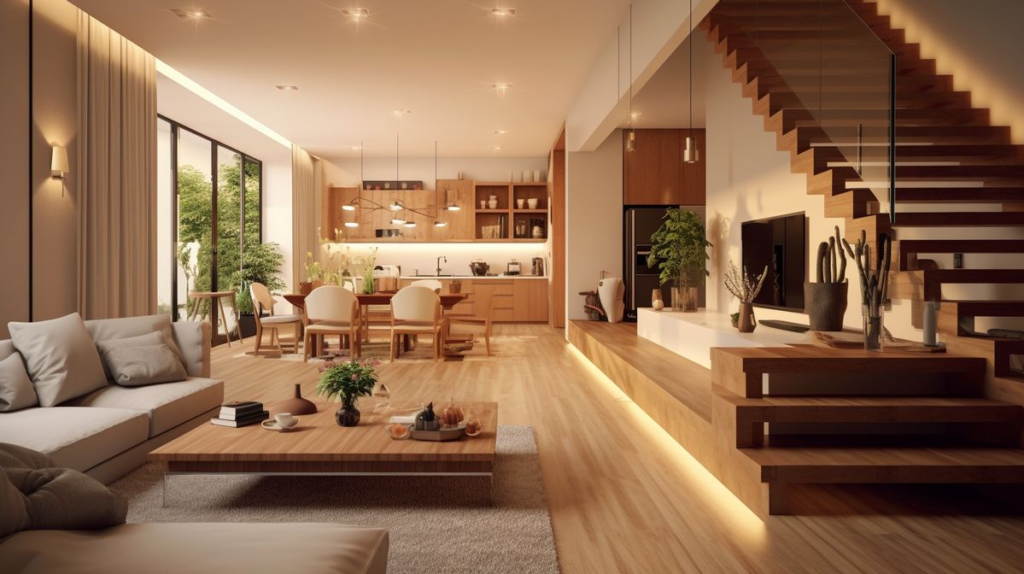
Open-plan houses are great for keeping light flowing and watching kids while cooking, but they can quickly turn into loud, chaotic halls without defined zones.
Instead of putting up physical drywall, design trends are using visual cues to mark out spaces. A large plush area rug clearly dictates where the “living room” begins, a low bookshelf acts as a soft divider behind a dining table, and targeted pendant lighting marks the eating zone.
How to bring it home:
If your dining table sits right in the middle of your living space, anchor it. Hang a warm woven pendant light directly over the center of the table and place a flat-weave rug underneath it to visually separate the dining area from the surrounding living space.
The Low-Budget Upgrade List
You don’t need thousands of dollars to completely change how your space feels. If you want maximum impact for minimal spend, prioritize these eight updates:
- Rearrange your layout: Move your sofa away from the wall and float it toward the center of the room.
- Paint the trim: Paint your baseboards and door frames a shade darker than your walls for custom architectural flair.
- Swap cabinet hardware: Replace plain builder-grade kitchen handles with aged brass or matte black pulls.
- Change your lighting temperature: Replace cold white LED bulbs (5000K) with soft warm white bulbs (2700K).
- Declutter surfaces: Leave 30% of every shelf, counter, and table completely empty.
- Thrift solid wood: Buy vintage wooden stools or side tables at flea markets to add instant patina.
- Hang curtains high and wide: Mount your curtain rods close to the ceiling and extend them past the window frame to make your windows look massive.
- Bring in giant foliage: Cut tall leafy branches from outdoor trees and place them in a tall floor vase.
How to Decide What Fits Your Life
Before spending a single dollar on a new trend, take a pause and ask yourself these three realistic questions:
- How do I actually use this room? If you have two dogs and three toddlers, a pristine off-white linen sofa will bring you pure anxiety, no matter how good it looks on Pinterest. Look for performance fabrics or washable slipcovers instead.
- How much light does this space get? Dark moody colors look incredible in rooms that already receive low natural light, while warm creams shine in bright, sun-drenched spaces. Work with your room’s natural light, not against it.
- Does this reflect my personality? If a trend feels cold or strange to you, ignore it. The ultimate goal of decorating is to build a home that feels like a warm, supportive extension of who you are.
Take it one corner at a time. Paint a wall, swap a lamp, clear off a counter, and let your home slowly evolve into a place you love coming home to every single day.
FAQ’s
1. What are the latest interior design trends in 2026?
Japandi interiors, warm minimalism, earthy colours, curved furniture, textured walls, and natural materials are popular trends.
2. Which interior design style is best for small homes?
Japandi and warm minimalism are ideal for small homes because they emphasize functional furniture and uncluttered spaces.
3. What colours are trending in interior design in 2026?
Terracotta, olive green, warm beige, chocolate brown, cream, and sand are popular interior colour choices.
4. How can I improve my home interior on a budget?
Rearrange furniture, update cushion covers, add indoor plants, improve lighting, or repaint an accent wall.
5. Is minimalist interior design still popular in 2026?
Yes, warm minimalism remains popular for its clean layouts, natural textures, comfortable furnishings, and personal touches.