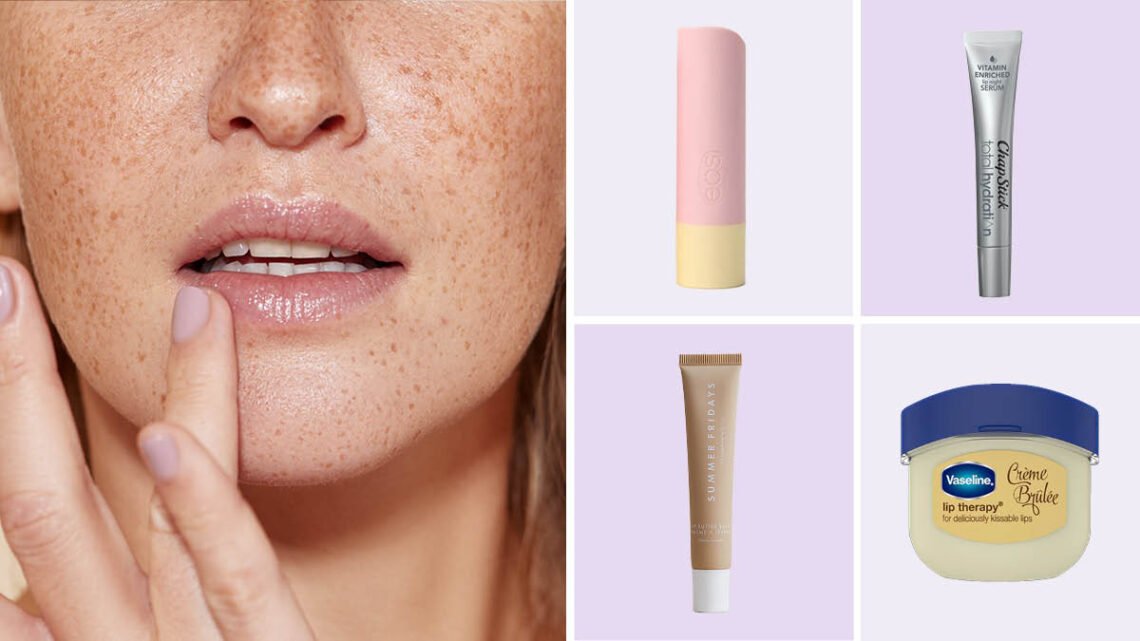
Soft, healthy lips can make a simple smile look even more beautiful. But keeping your lips smooth throughout the year is not always easy. Cold weather, hot sunshine, dry air, dehydration, and even some lip products can leave your lips feeling rough, tight, or uncomfortable.
The good news is that lip care does not need to be complicated. You do not need a shelf full of expensive beauty products to maintain healthy-looking lips. A few gentle habits, the right lip balm, and a little attention to what your lips need can make a real difference.
In 2026, beauty routines are increasingly focused on simple skincare, nourishing ingredients, sun protection, and products that fit comfortably into everyday life. Lip care follows the same approach. Instead of constantly trying new treatments, it is often better to protect your lips, avoid irritating ingredients, and use products that keep them moisturised.
Whether your lips become dry during winter, feel uncomfortable after wearing lipstick, or simply need a little extra care, this guide will help you understand how to look after them.
From choosing a suitable lip balm to building a simple daily routine, here is everything you need to know about achieving soft, smooth, and healthy-looking lips in 2026.
Why Is Lip Care Important?
Your lips have delicate skin that behaves differently from much of the skin on the rest of your face. The outer layer is relatively thin, and the lips have fewer oil glands than many other areas of the skin. This makes them more vulnerable to moisture loss and environmental irritation.
Everyday habits can also affect how your lips feel. Frequently licking them, picking at loose skin, or using irritating cosmetics may make dryness worse.
A consistent lip care routine helps you protect this delicate area and maintain comfort.
Prevents Dryness and Chapping
Cold air, wind, indoor heating, and low humidity can contribute to dry lips. A suitable balm creates a protective layer that helps reduce moisture loss.
Supports a Smooth Appearance
When dry skin flakes away, lips can look uneven under lipstick or gloss. Gentle care and regular moisturising can help create a smoother surface.
Helps Protect Against Sun Exposure
The lips can be affected by ultraviolet radiation just like other exposed areas of skin. A lip product with broad-spectrum sun protection can help protect them outdoors.
Makes Lipstick More Comfortable to Wear
Lipstick often applies more evenly when lips are comfortable and moisturised. Preparing your lips gently can also reduce the temptation to cover dryness with repeated layers of makeup.
Encourages Healthier Beauty Habits
Lip care is an easy way to build a simple skincare routine. Paying attention to irritation, checking product ingredients, and avoiding harsh treatments can help you make better choices for your skin.
Common Causes of Dry and Chapped Lips
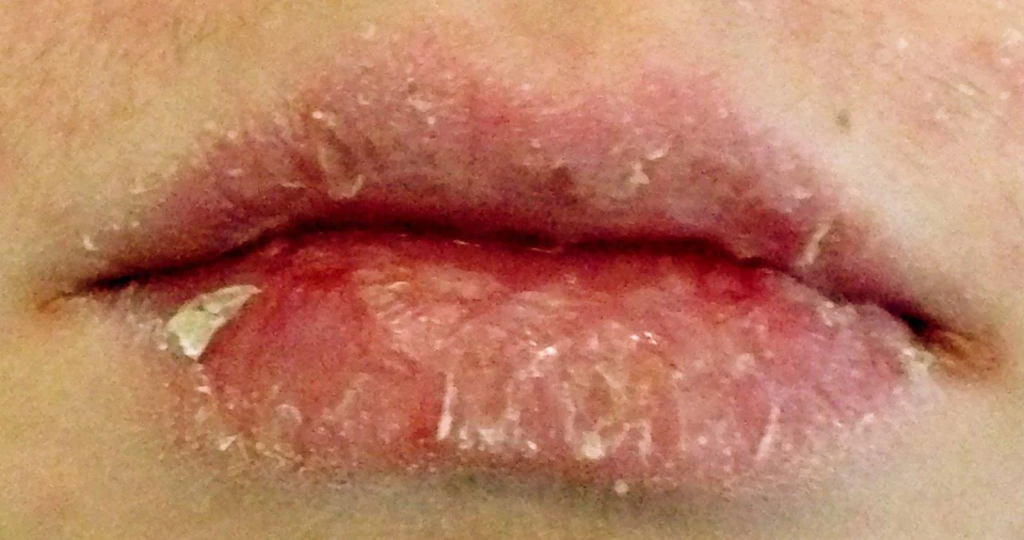
Before choosing a product, it helps to understand why your lips may be dry in the first place. The right solution depends partly on what is causing the problem.
Weather Changes
Cold temperatures, strong winds, dry air, and prolonged sun exposure can affect the delicate skin on your lips.
In winter, lips may lose moisture more easily. During summer, heat and sun exposure can also cause discomfort if your lips are not adequately protected.
Frequent Lip Licking
Licking your lips may provide temporary relief, but saliva evaporates and can leave them feeling even drier. Repeated licking may also irritate the surrounding skin.
If you notice this habit, try keeping a suitable lip balm nearby and applying it when your lips begin to feel dry.
Dehydration
Not drinking enough fluids can contribute to general dryness and discomfort. However, dry lips do not always mean you are dehydrated; environmental conditions and product irritation can also be responsible.
Drink water regularly according to your needs, especially during hot weather or physical activity.
Irritating Lip Products
Some lipsticks, balms, plumping products, fragrances, and flavouring ingredients may irritate sensitive lips.
Ingredients such as menthol, camphor, and certain mint or cinnamon flavourings can cause stinging or irritation in some people. A tingling sensation does not necessarily mean a product is working better.
If a product repeatedly causes burning, redness, or discomfort, stop using it and choose a gentler alternative.
Picking or Biting the Lips
Pulling away loose skin can create small cracks and delay healing. Biting the lips can have a similar effect.
Allow dry skin to settle naturally while protecting the area with a bland, fragrance-free moisturising product.
Other Possible Causes
Persistent lip dryness can sometimes be associated with allergies, eczema, medication side effects, or other medical conditions. If the problem does not improve with basic care, a healthcare professional can help identify the cause.
Build a Simple Daily Lip Care Routine
You do not need a complicated routine to look after your lips. Consistency matters more than the number of products you use.
Morning: Moisturise and Protect
Start your day by applying a gentle lip balm. If you will be outdoors, choose a broad-spectrum lip balm with SPF 30 or higher.
Apply enough product to cover your lips comfortably. Reapply according to the product instructions, particularly after eating, drinking, swimming, or wiping your mouth.
During the Day: Keep Lips Comfortable
Carry your lip balm so you can use it whenever your lips feel dry.
Avoid repeatedly licking or biting your lips. If you wear lipstick, consider a comfortable formula that does not leave your lips feeling tight or irritated.
If a product causes stinging, burning, or increased dryness, discontinue it rather than trying to tolerate the discomfort.
Evening: Remove Lip Makeup Gently
At the end of the day, remove lipstick and other lip products without scrubbing. Use a gentle makeup remover suitable for your skin, then pat the area dry.
Apply a layer of fragrance-free lip balm or plain petrolatum to help protect your lips overnight.
Weekly: Review Your Routine
You do not need to exfoliate your lips every week. In fact, scrubbing can worsen irritation, especially when your lips are already dry or cracked.
Instead, check whether your products are comfortable and whether your routine is helping. If you have persistent flakes, focus on moisturising and avoiding irritants rather than trying stronger treatments.
How to Choose the Best Lip Balm in 2026
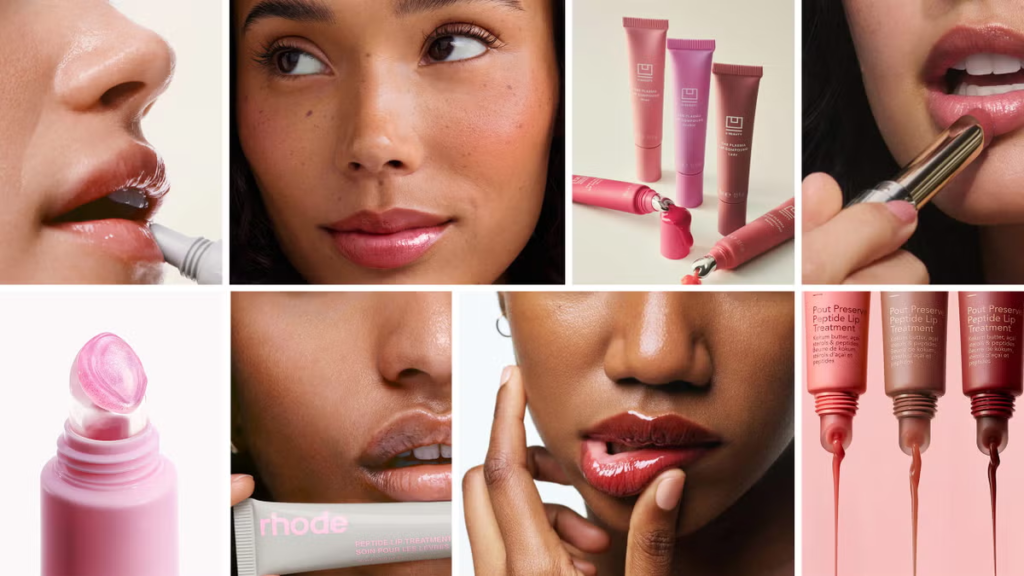
With so many lip balms available, choosing one can feel confusing. Packaging and fragrance may attract attention, but the ingredient list and how the product feels on your lips are more useful considerations.
Look for Moisturising Ingredients
Different ingredients support the skin in different ways. Depending on the formula, useful options may include:
- Petrolatum: Helps reduce moisture loss and protect dry skin.
- Shea butter: Provides an emollient feel and helps soften the skin.
- Ceramides: Help support the skin barrier in suitable formulations.
- Dimethicone: Forms a protective layer that can reduce moisture loss.
- Mineral oil: Helps soften the skin and protect against dryness.
- Hyaluronic acid: Attracts water and may help improve surface hydration when included in a suitable formula.
You do not need every ingredient in one product. A simple formula that works comfortably for you may be enough.
Choose Fragrance-Free Products if Your Lips Are Sensitive
Fragrances and flavourings can irritate some people. If your lips frequently become red, itchy, or uncomfortable after using cosmetics, consider a fragrance-free balm.
Simple formulas are often easier to assess when you are trying to identify a possible trigger.
Consider Your Main Concern
If your lips are very dry, a thicker ointment may offer longer-lasting protection. For everyday use, you may prefer a lighter balm that sits comfortably under lipstick.
For outdoor activities, choose a lip product with appropriate sun protection.
Do Not Choose a Balm Only for Its Flavour
A sweet scent or cooling sensation may make a product enjoyable, but these features do not necessarily improve lip health. If a flavoured balm makes your lips sting or feel drier, stop using it.
The best lip balm is one that protects your lips without causing irritation and that you will use consistently.
Why SPF Matters for Lip Care
Sun protection is an important part of lip care throughout the year, not just during summer holidays.
The lips are exposed to sunlight during ordinary activities such as walking, commuting, shopping, driving, and spending time outdoors. Long periods of exposure can contribute to sun damage.
Choose a Lip Balm With SPF 30 or Higher
Look for a broad-spectrum lip product with SPF 30 or higher. Broad-spectrum protection helps protect against both UVA and UVB rays.
Follow the label directions and reapply regularly, especially after eating, drinking, swimming, or wiping your lips.
Do Not Forget Cloudy Days
Cloud cover does not eliminate ultraviolet exposure. If you spend time outside, make lip sun protection part of your routine regardless of the season.
Wear Additional Sun Protection
A wide-brimmed hat and seeking shade during periods of strong sunlight can provide additional protection.
Pay Attention to Persistent Changes
If you notice a persistent sore, a rough or scaly patch, bleeding, or a change on your lips that does not heal, seek advice from a healthcare professional. Such changes should not automatically be treated as ordinary dryness.
Lipstick Trends and Comfortable Lip Makeup in 2026
Lipstick is an easy way to change the mood of an outfit, from a subtle everyday look to a bold evening style. However, a beautiful colour should also feel comfortable to wear.
Rather than following every new trend, choose textures and shades that suit your preferences and work well with your routine.
Natural and Nude Shades
Nude pinks, soft browns, rosy beige, and muted peach shades remain versatile options for everyday makeup. The most flattering shade depends on your personal preference and the overall look you want to create.
A comfortable lipstick in a natural shade can work for the office, casual outings, and minimal makeup days.
Classic Red Lipstick
Red lipstick offers a timeless way to make a statement. Blue-red, warm red, and deeper berry-red shades can create different effects.
For a neat finish, apply the colour carefully and remove any excess product from the edges of your lips.
Glossy Lip Finishes
Lip gloss can create a shiny, fresh appearance. You can wear it alone or layer it over lipstick.
If your lips are sensitive, check the formula and stop using it if it causes irritation.
Soft Matte Lipsticks
Matte lipsticks offer a more defined finish, but some formulas may emphasise dryness. If you enjoy matte products, keep your lips comfortable with a suitable balm and avoid applying drying formulas over cracked skin.
Tinted Lip Balms
Tinted balms combine a touch of colour with a moisturising feel. They can be useful when you want a low-maintenance look without the stronger finish of traditional lipstick.
Remember that a tinted balm does not necessarily provide sun protection unless its label specifies an SPF.
How to Apply Lipstick for a Smooth Finish
Good lip makeup begins with comfortable lips rather than heavy preparation.
Apply a Gentle Balm
Apply a small amount of lip balm and allow it to settle. If you plan to use a matte lipstick, gently blot away excess balm before applying colour.
Use Lip Liner if You Prefer
Lip liner can help define the lip shape and create a more precise finish. Choose a shade close to your lipstick or natural lip colour.
There is no need to overdraw your lips unless that is the look you intentionally want.
Apply Lipstick Evenly
Start at the centre of your lips and work outward. A lip brush can help with precise application, although it is not essential.
Blot Gently
For a more controlled finish, press a tissue lightly against your lips. Avoid rubbing, which can irritate delicate skin.
Refresh When Needed
Reapply your lipstick as necessary, especially after meals. Remove it gently at the end of the day rather than scrubbing to eliminate every trace.
If your lips become uncomfortable while wearing a particular formula, switch to a gentler product.
Natural Lip Care Habits That Can Help
Natural lip care does not require homemade scrubs or complicated mixtures. Often, the most useful habits are simple and gentle.
Use Plain Petrolatum for Very Dry Lips
Plain petrolatum is a widely used protective ingredient that helps reduce water loss from the skin. A thin layer may be useful when your lips feel dry, particularly before bed.
Choose a product suitable for the intended use and discontinue it if you experience irritation.
Avoid Harsh DIY Scrubs
Sugar, salt, rough cloths, and abrasive brushes can create friction and worsen cracks. Exfoliation is not necessary for healthy lips, and it should be avoided when lips are inflamed or broken.
If loose skin is bothersome, soften the area with a bland balm and let it shed naturally.
Use a Humidifier if Indoor Air Is Very Dry
Indoor heating or air conditioning can make the air feel dry. A clean humidifier may help make the environment more comfortable, particularly overnight.
Follow the manufacturer’s cleaning instructions to reduce the risk of mould or microbial growth.
Avoid Ingredients That Trigger Irritation
Natural ingredients are not automatically safe for every person. Essential oils, fragrances, and flavourings can cause reactions in sensitive skin.
If you suspect a product is responsible for your symptoms, stop using it and consider professional advice if the irritation continues.
Lip Care Mistakes to Avoid
Some common beauty habits can make lip dryness worse even when you are trying to improve your routine.
Licking your lips repeatedly: Saliva evaporates and may leave lips drier. Use a suitable balm instead.
Picking at flaky skin: Pulling off loose skin can create cracks and delay healing.
Using irritating plumping products: Ingredients that cause strong tingling or burning may irritate your lips. Discontinue products that cause discomfort.
Skipping sun protection: Lips can receive UV exposure throughout the year. Use an appropriate SPF lip product outdoors.
Exfoliating too aggressively: Frequent scrubbing may worsen irritation rather than create smoother lips.
Ignoring product reactions: Redness, itching, burning, or swelling after using a product should not be dismissed as a sign that it is working.
Expecting overnight results: Dryness may take time to settle, especially if your lips have been repeatedly irritated. Consistent, gentle care is more useful than repeatedly changing products.
Lip Care for Different Seasons
Your lips may need slightly different care depending on the weather and your daily activities.
Winter Lip Care
Cold air, wind, and indoor heating can contribute to dryness. Use a protective balm regularly, cover your face in very cold or windy conditions when practical, and avoid licking your lips.
Apply a thicker layer of a suitable ointment before bed if your lips tend to dry out overnight.
Summer Lip Care
Sun protection becomes particularly important when spending time outdoors. Choose a broad-spectrum SPF lip balm and reapply it as directed.
Heat and outdoor activities may also mean you need to drink fluids regularly. If your lips become irritated after swimming or sweating, gently rinse and apply a suitable balm.
Monsoon and Humid Weather
High humidity does not guarantee that your lips will remain comfortable. Air conditioning, sun exposure, and irritating products can still cause dryness.
Continue using a balm when needed and avoid adding unnecessary products to your routine.
Travel Lip Care
Air travel, changing climates, and long journeys can leave your lips feeling dry. Keep a small lip balm in your bag and apply it when needed.
If you travel to a sunny destination, choose a product with suitable SPF protection.
When Should You Seek Professional Advice?
Most mild cases of dry lips improve with gentle care and protection. However, ongoing or unusual symptoms deserve attention.
Consider speaking with a healthcare professional if:
- Your lips remain dry or cracked despite consistent basic care.
- You experience repeated swelling, itching, or redness after using lip products.
- Cracks at the corners of your mouth keep returning.
- Your lips develop persistent sores, bleeding, or rough patches that do not heal.
- You experience severe pain or signs of infection.
A clinician may assess whether the symptoms are related to irritation, an allergy, a skin condition, medication, or another cause.
Seek urgent medical help if your lips or tongue suddenly swell and you have difficulty breathing or swallowing.
Avoid relying on strong medicated creams or unverified home remedies without appropriate guidance, especially if symptoms are persistent.
Your Simple Lip Care Checklist for 2026
Use this quick checklist to keep your routine practical:
- Apply a gentle lip balm whenever your lips feel dry.
- Use broad-spectrum SPF 30 or higher when spending time outdoors.
- Reapply lip sun protection according to the label directions.
- Avoid repeatedly licking, biting, or picking your lips.
- Choose fragrance-free products if your lips are sensitive.
- Remove lipstick gently before bed.
- Apply a protective balm at night if needed.
- Avoid harsh scrubs and products that cause burning or stinging.
- Drink water regularly according to your needs.
- Seek professional advice for persistent or unusual symptoms.
You do not have to follow every step perfectly. Start with the habits that address your main concern and build from there.
Final Thoughts
Healthy-looking lips are not about using the most expensive lipstick or trying every beauty trend. They are about understanding what your lips need and treating them gently.
A suitable moisturising balm, daily sun protection, careful product selection, and a few simple habits can help keep your lips comfortable throughout the year. If you love lipstick, you can still enjoy nude shades, glossy finishes, classic reds, and soft mattes while paying attention to how your lips respond.
Remember that persistent dryness is not always just a cosmetic issue. If your lips remain uncomfortable despite basic care, professional advice can help you find the underlying cause.
In 2026, the best lip care routine is one that is simple, comfortable, and easy to maintain. Give your lips consistent care, avoid unnecessary irritation, and choose products that work for you.
FAQ’s
1. How can I get soft, smooth lips naturally?
Apply a gentle, fragrance-free lip balm regularly, avoid licking or picking your lips, and protect them from harsh weather and sun exposure.
2. Which lip balm ingredients are best for dry lips?
Ingredients such as petrolatum, shea butter, ceramides, and dimethicone can help soften lips and reduce moisture loss.
3. How often should I apply lip balm?
Apply lip balm whenever your lips feel dry, including before bed. Reapply after eating, drinking, or wiping your lips as needed.
4. Is SPF lip balm necessary in 2026?
Yes. A broad-spectrum lip balm with SPF 30 or higher helps protect your lips from harmful UV rays, especially when spending time outdoors.
5. How can I prevent chapped lips?
Use a moisturising lip balm, drink water regularly, avoid harsh lip scrubs, and stop using products that cause burning or irritation. Seek professional advice if dryness persists.