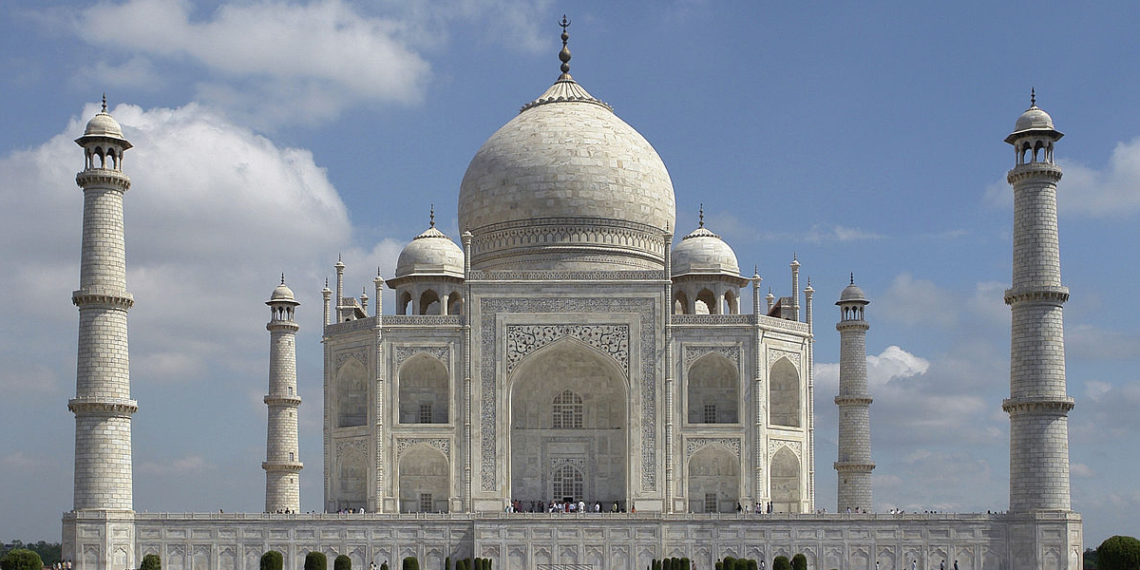
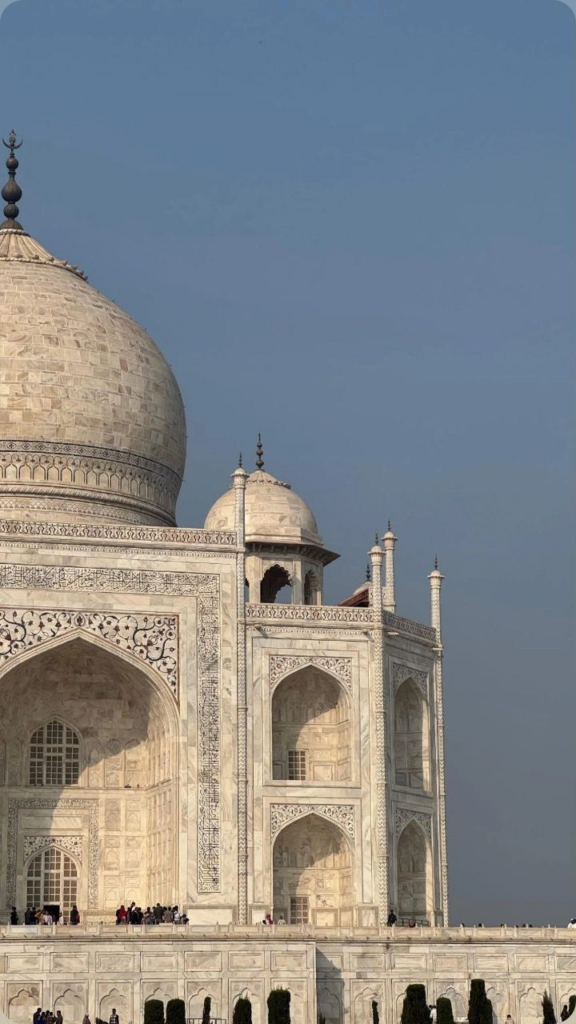
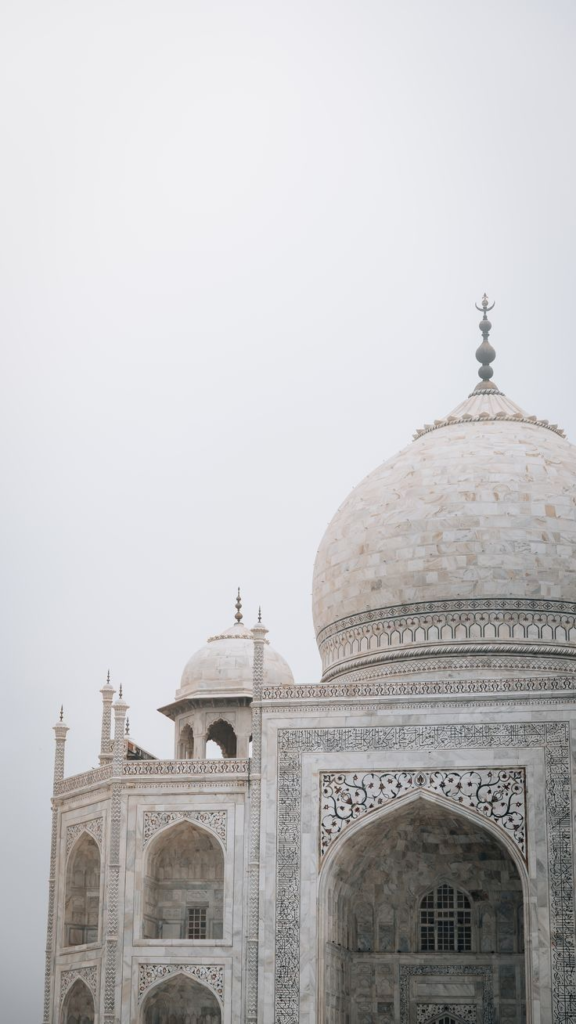
The Taj Mahal is not just a monument; it is an emotion carved in marble. Standing gracefully on the banks of the Yamuna River in Agra, this architectural masterpiece has captivated hearts for centuries. Built as a tribute to love, loss, and devotion, the Taj Mahal continues to inspire millions of visitors from around the world with its beauty, balance, and deep emotional meaning.
A Love Story Etched in Stone
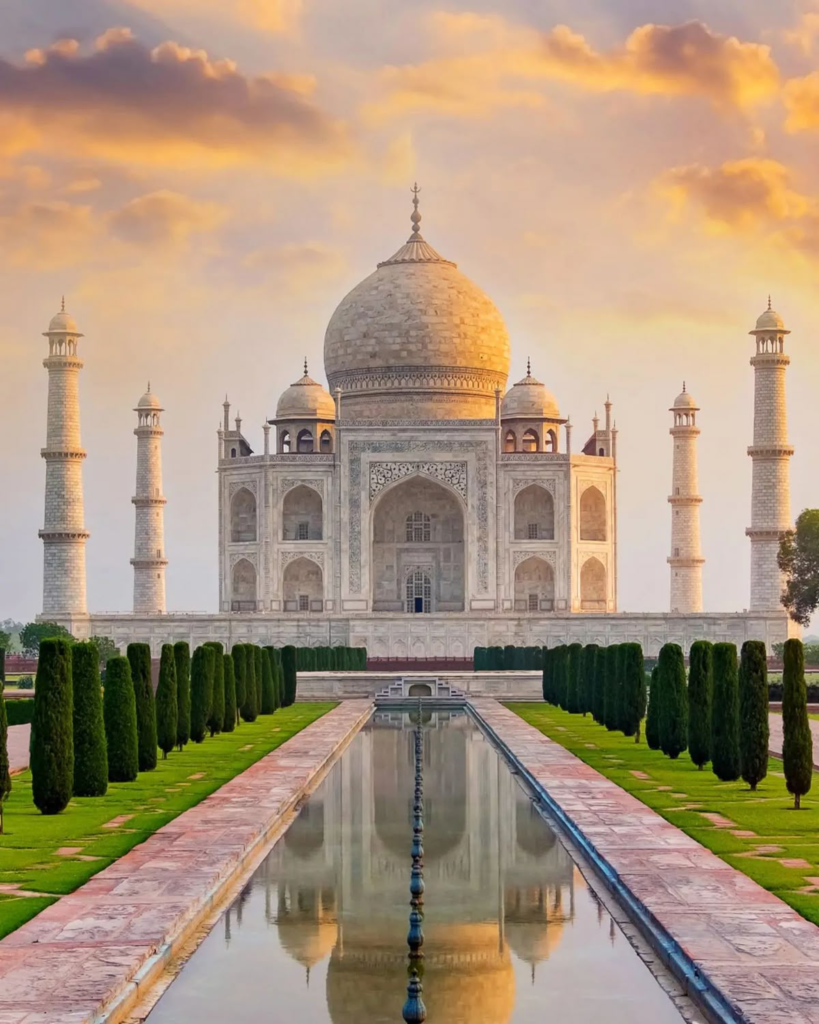
The story of the Taj Mahal begins with Emperor Shah Jahan and his beloved wife Mumtaz Mahal. Heartbroken by her death, Shah Jahan commissioned a mausoleum that would reflect his eternal love for her. What emerged was not merely a tomb, but a symbol of devotion so powerful that it transcended time. Every arch, garden, and dome was designed to honor her memory, turning personal grief into one of the world’s greatest artistic achievements.
Architectural Perfection and Harmony
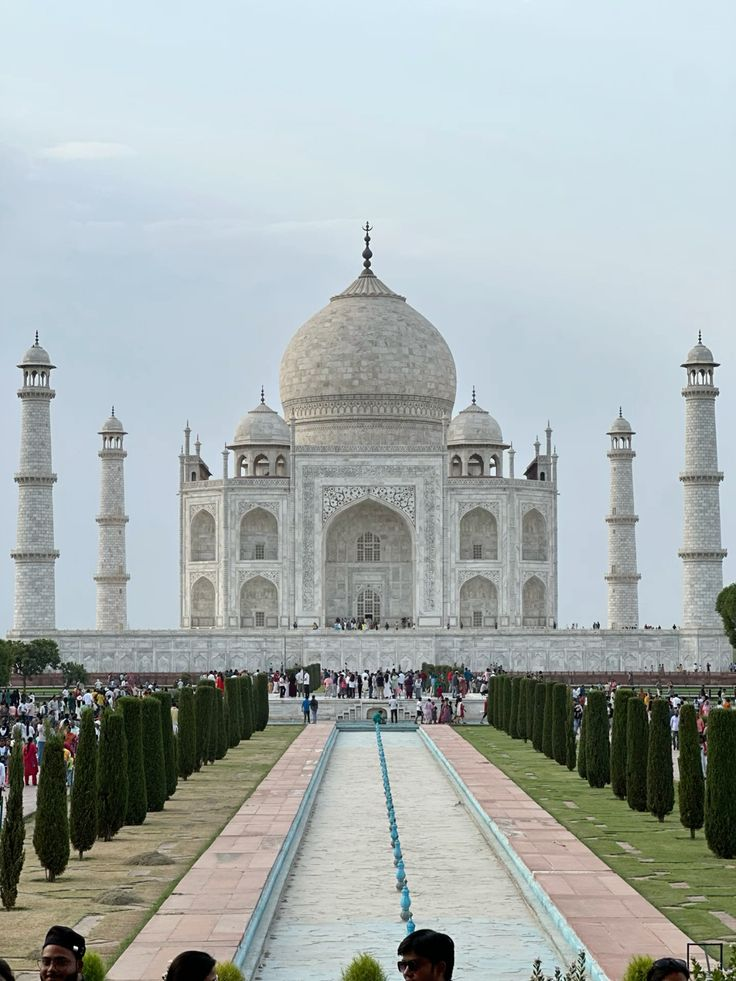
One of the most striking features of the Taj Mahal is its flawless symmetry. From every angle, the monument appears perfectly balanced, reflecting a sense of peace and order. The white marble changes color with the light of the day, appearing soft pink at sunrise, bright white at noon, and golden under the moonlight. Intricate carvings, delicate floral patterns, and calligraphy from sacred texts add layers of meaning and craftsmanship that continue to amaze architects and historians alike.
A Monument That Speaks Without Words
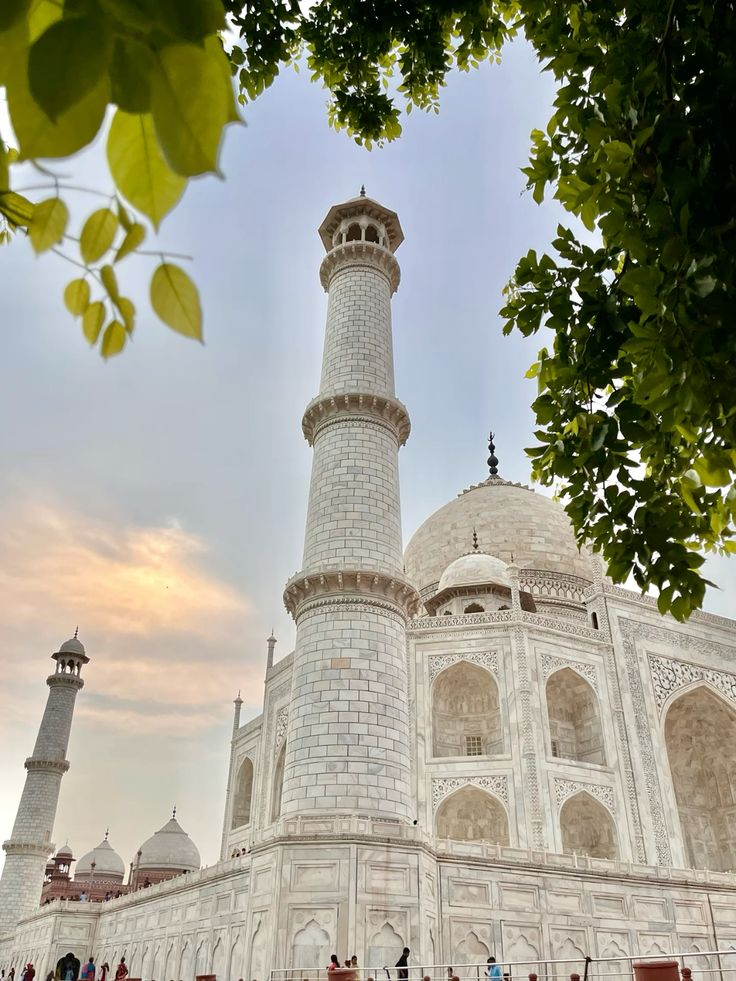
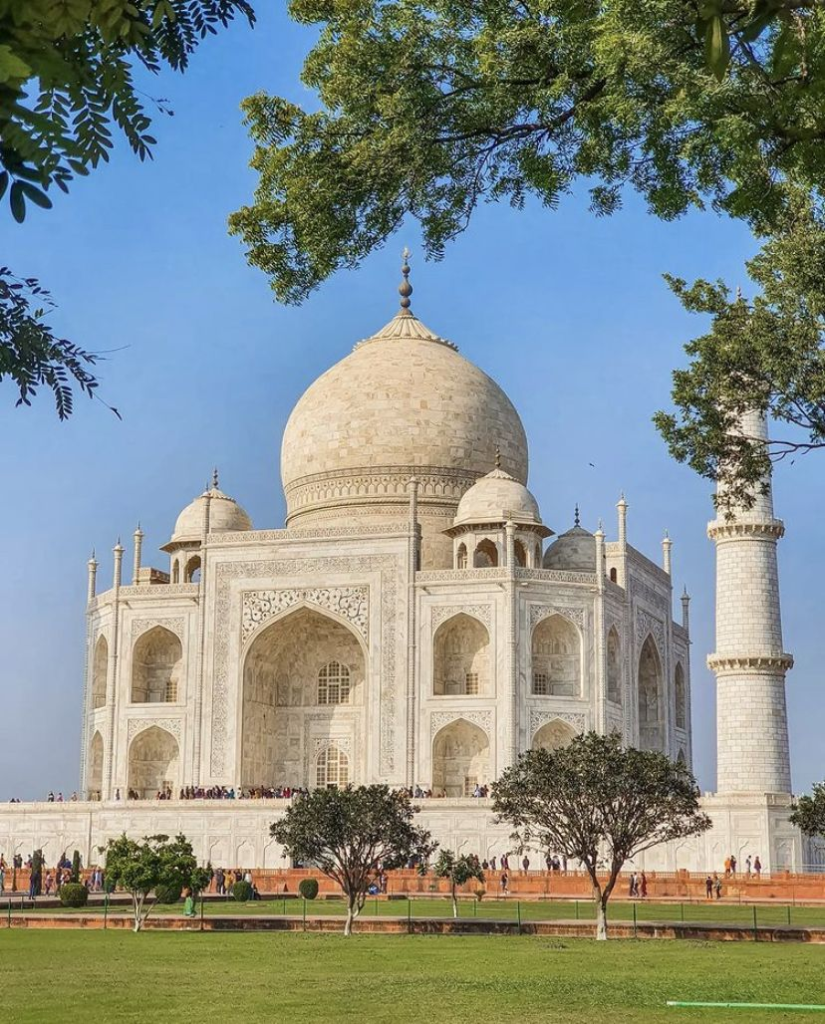
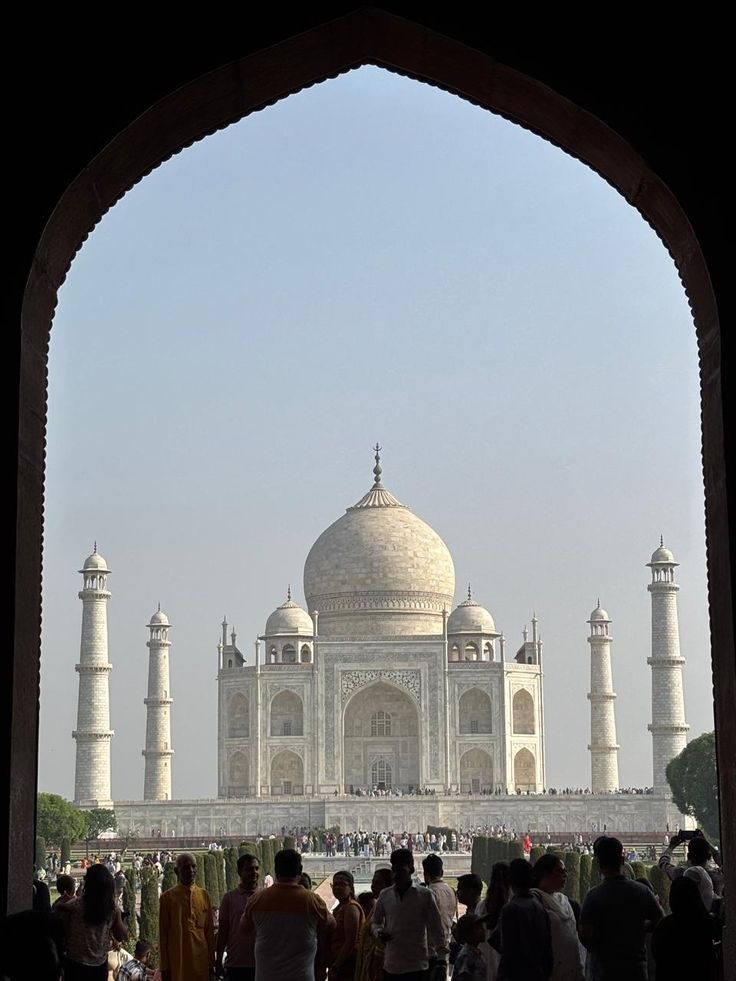
What makes the Taj Mahal truly timeless is its ability to speak to people without saying a word. Visitors often describe a feeling of calm and awe the moment they step into its gardens. It does not rely on grand size alone but on emotional depth, quiet elegance, and storytelling through design. The monument reminds us that love, when expressed sincerely, can create something everlasting.
Cultural and Global Significance
Recognized as a UNESCO World Heritage Site and one of the New Seven Wonders of the World, the Taj Mahal is a proud symbol of India’s cultural heritage. It represents the peak of Mughal architecture and serves as a bridge between history and modern admiration. For travelers, historians, artists, and romantics, it remains a destination that leaves a lasting impression long after the visit ends.
Taj Mahal: Myths and Facts
Myth: Shah Jahan cut off the hands of the workers after the Taj Mahal was completed.
Fact: There is no historical proof of this claim. Skilled artisans continued to work on other Mughal projects, making this story a popular but false legend. #TajMahalMyths
Myth: The Taj Mahal was originally a Hindu temple.
Fact: Historical records clearly show that the Taj Mahal was built by Emperor Shah Jahan as a mausoleum for Mumtaz Mahal, with no evidence of a previous temple on the site. #HistoricalFacts
Myth: A Black Taj Mahal was planned across the Yamuna River.
Fact: This theory is based on legends and visual reflections in the river. Archaeological studies have not confirmed the existence of any such structure. #ArchitecturalLegends
Myth: The Taj Mahal is slowly collapsing or leaning dangerously.
Fact: Structural assessments confirm that the monument is stable and closely monitored through ongoing conservation efforts. #WorldHeritage
Myth: The Taj Mahal changes color because of magic.
Fact: The color variations occur due to sunlight, moonlight, and the reflective quality of white marble at different times of the day. #MarbleBeauty
Final Thought
The Taj Mahal stands as proof that love and beauty can outlive generations. It is not only a reminder of a powerful love story but also a reflection of humanity’s ability to turn emotion into art. In a fast-changing world, the Taj Mahal remains still, serene, and eternal—inviting us to pause, reflect, and appreciate the beauty of devotion.
This content is intended for informational and educational purposes only. Historical interpretations may vary, and the article is based on widely accepted accounts and cultural narratives associated with the Taj Mahal.
#TajMahal #SymbolOfLove #TimelessBeauty #IndianHeritage #WorldWonders #HistoricalMonuments #Anslation #Carrerbook
- Beautiful Handmade Home Decor You’ll Love on Etsy

- Affordable Vacation Packages and Travel Deals Canadians Love in 2026

- Top Online Travel Platforms for Affordable Vacation Deals in 2026

- Best Places to Visit in Goa – Complete Goa Travel Guide

- Best Chole Bhature Recipe – Authentic Punjabi Style
- Explore Beautiful Nainital – Travel Tips & Places