Dior is more than a fashion house; it is a symbol of elegance, craftsmanship, and cultural influence. Since its founding in the mid-20th century, Dior has continually evolved while remaining true to its core identity. The brand’s journey reflects changes in society, art, and the way people express themselves through fashion.
This article explores the evolution of Dior fashion, tracing its story from its groundbreaking beginnings to its modern-day presence.
The Beginning: Dior’s Revolutionary Past
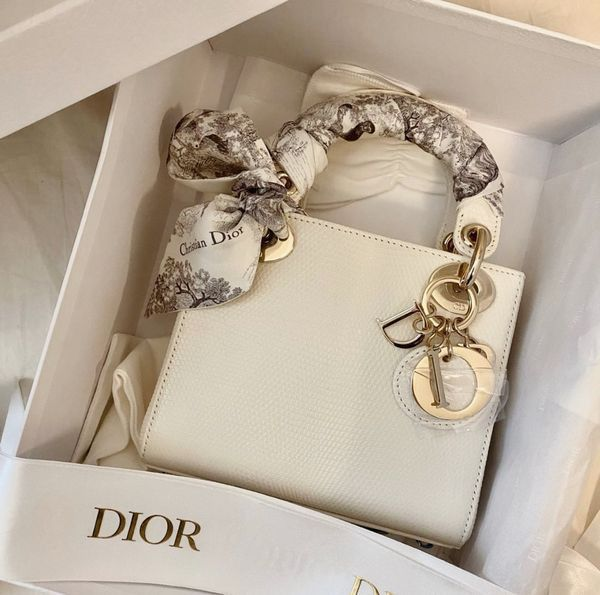
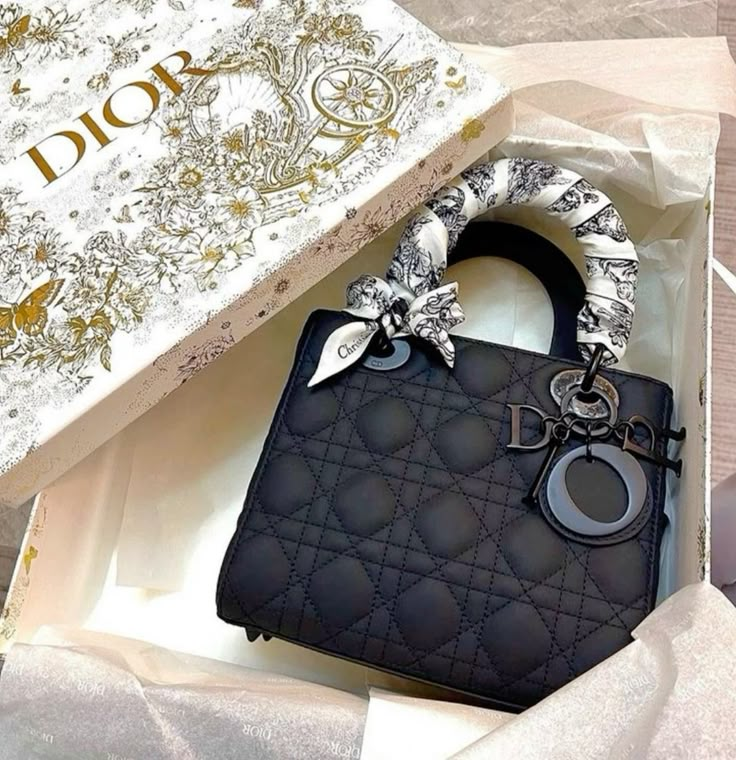
Christian Dior introduced his first collection in 1947, forever changing the fashion landscape. Known as the “New Look,” it emphasized cinched waists, full skirts, and a return to femininity after the austerity of wartime fashion. This bold vision redefined luxury and set a new standard for elegance.
Dior’s early designs celebrated structure, precision, and craftsmanship, quickly establishing the house as a leader in haute couture.
Transition and Reinvention Through the Years
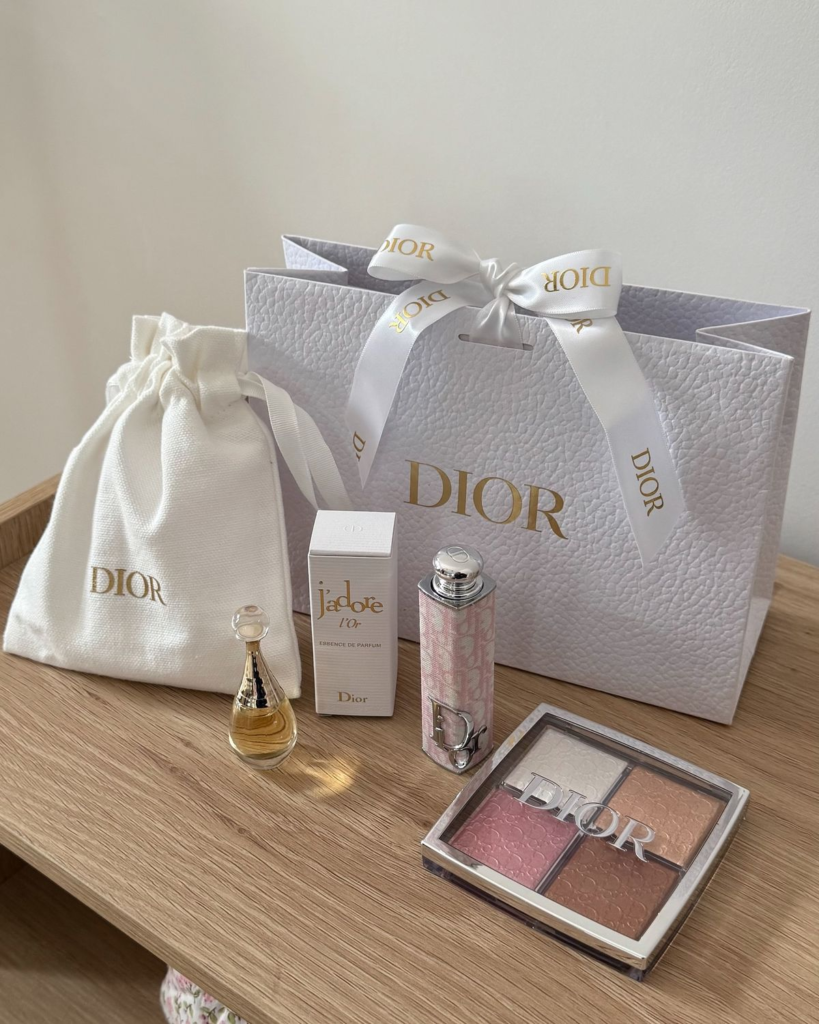
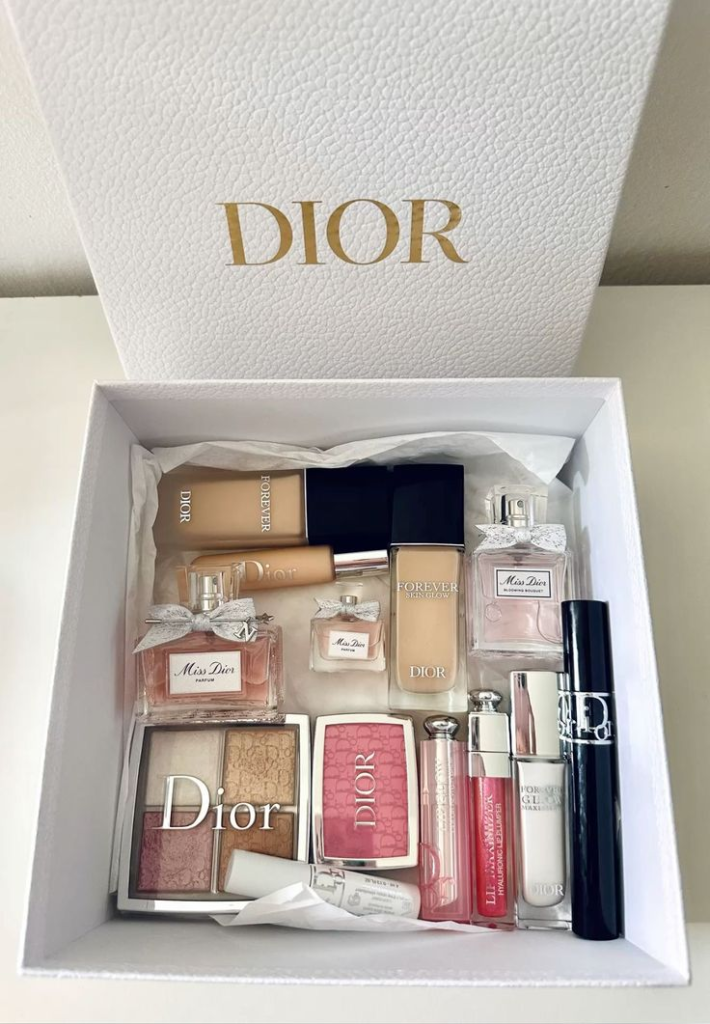
Following Christian Dior’s passing, the brand entered a period of transition guided by talented creative directors. Designers such as Yves Saint Laurent, Marc Bohan, and Gianfranco Ferré each brought their own interpretation of Dior’s legacy.
During this time, Dior balanced tradition with innovation, adapting silhouettes and materials to reflect changing lifestyles while preserving its signature sophistication.
Dior in the Modern Era
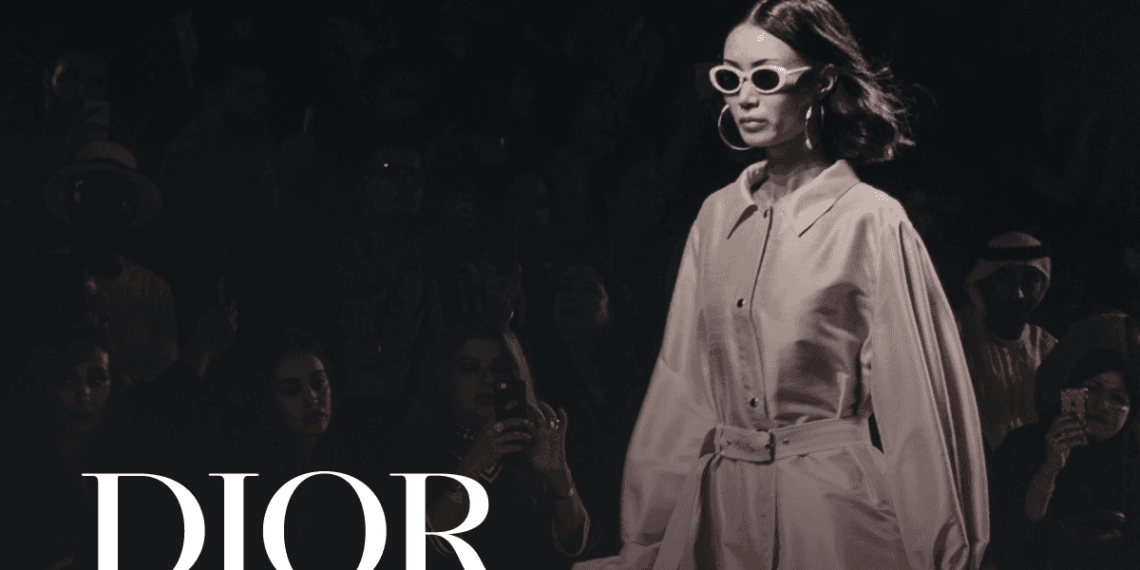
In recent years, Dior has embraced a more contemporary approach to fashion. Under modern leadership, the brand has incorporated themes of empowerment, diversity, and modern femininity. Runway collections blend classic tailoring with modern shapes, offering clothing that feels relevant yet timeless.
Dior’s influence now extends beyond couture to ready-to-wear, accessories, and global cultural conversations.
The Role of Iconic Pieces
Certain Dior designs have become timeless symbols of the brand’s identity. Items like the Bar Jacket, Lady Dior bag, and tailored coats continue to appear in updated forms. These pieces serve as a bridge between past and present, reminding audiences of Dior’s rich heritage while adapting to modern tastes.
Dior Today and Its Global Influence
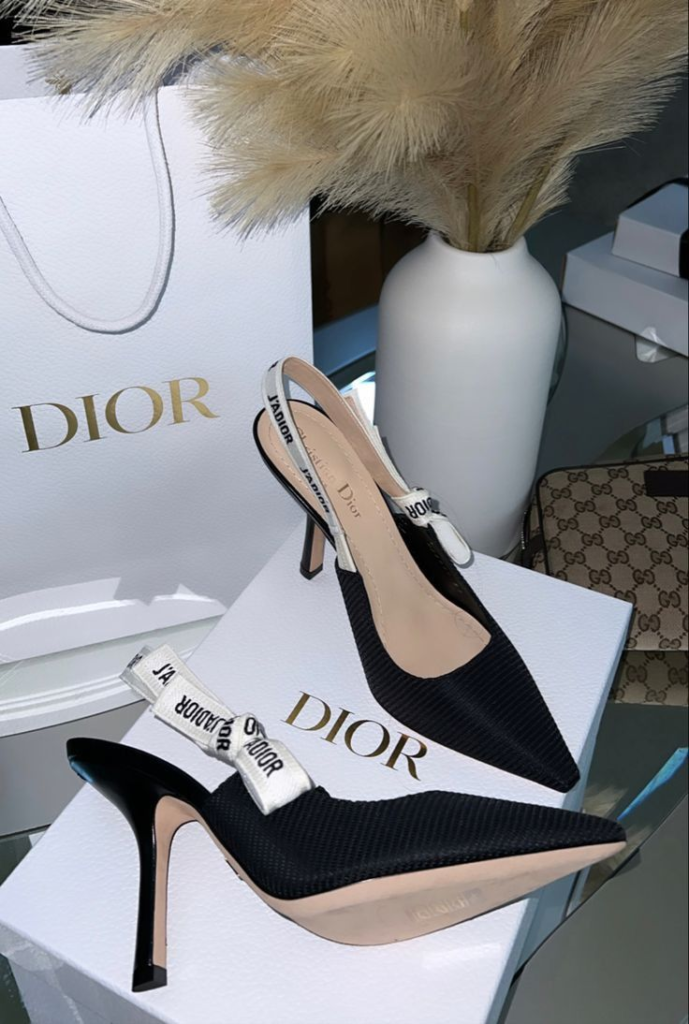
Today, Dior stands at the intersection of tradition and innovation. The brand continues to set trends while respecting its historical roots. Its collections reflect craftsmanship, sustainability efforts, and a broader vision of luxury that resonates with modern consumers.
Dior’s presence in fashion weeks, collaborations, and global campaigns highlights its enduring relevance.
Final Thought
The evolution of Dior fashion is a story of reinvention guided by respect for heritage. From its revolutionary beginnings to its modern expressions, Dior continues to shape how luxury fashion is defined. Its ability to evolve without losing its identity is what keeps the brand influential across generations.
This article is intended for informational and educational purposes only. Fashion interpretations and historical perspectives may vary. For official and updated information, readers should refer to Dior’s authorized publications and resources.
#DiorFashion #FashionHistory #LuxuryFashion #HauteCouture #DiorStyle #FashionEvolution #TimelessElegance #Anslation #Carrerbook